Goiás Court Overturns Trucker's Conviction in Fatal Accident Involving Police Officers
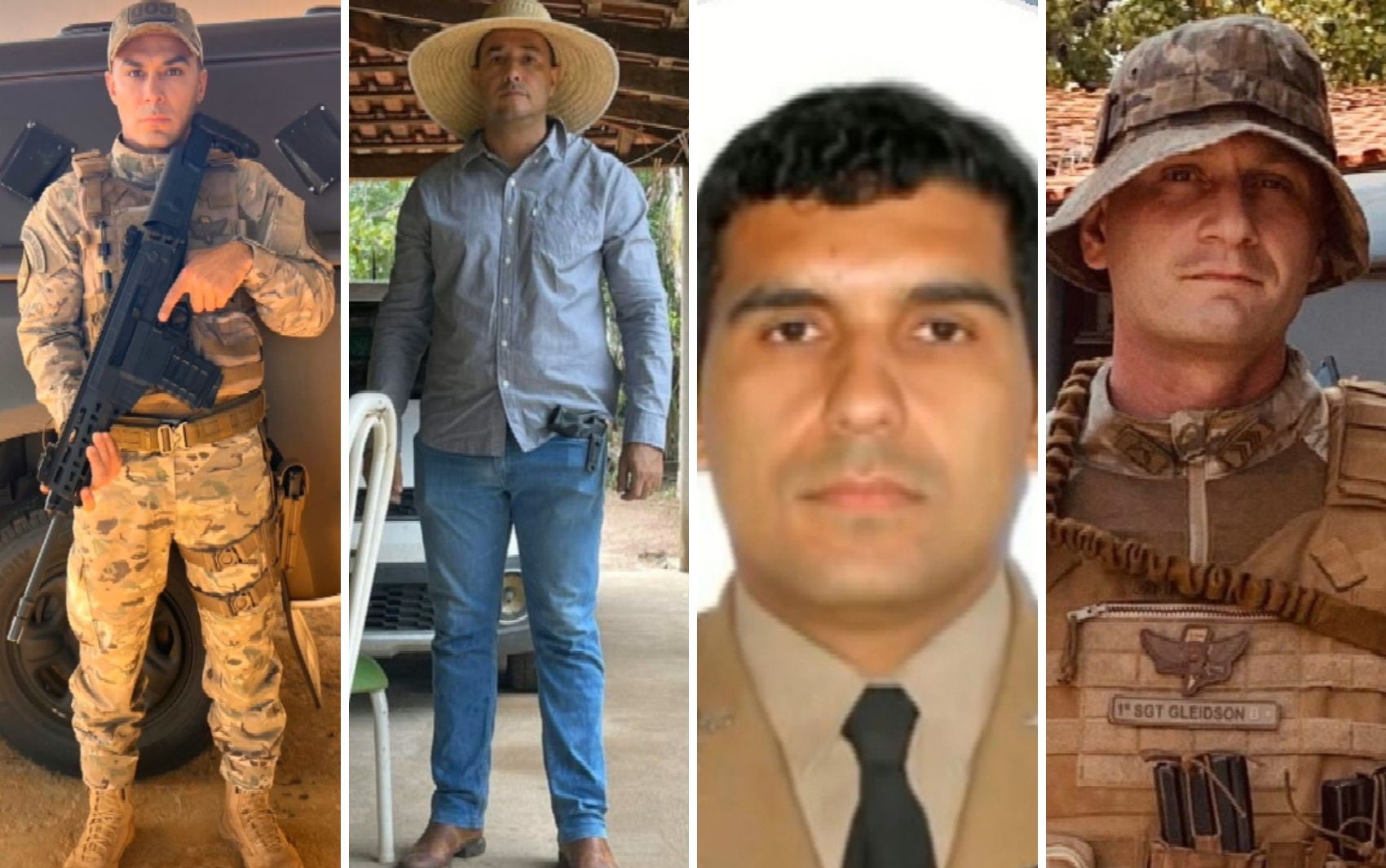
The Goiás Court of Justice (TJGO) has annulled the trial that convicted truck driver Jhonatan Murilo Leite for an accident that resulted in the deaths of four officers from the Command of Border Operations (COD). The original trial, held in April, had sentenced Leite to 52 years in prison for homicide. The annulment, which occurred on Friday, May 17th, was based on the presence of uniformed military police officers in the courtroom during the proceedings. Judge Wilson da Silva Dias stated that the uniformed officers created an objective symbolic and psychological effect on the jury, as their presence represented the State's authority and institutional power. The judge clarified that the officers' intention was not to intimidate, but the sheer number and uniformity of their presence inevitably influenced the trial environment. He suggested that the court should have limited the number of uniformed officers, designated a specific area for families, or requested officers attend in civilian attire. This is the second annulment for this case; a previous trial in 2025 was also overturned due to a juror improperly drawing voting slips. The accident occurred in April 2024 on BR-364 in Cachoeira Alta, Goiás, killing Sublieutenant Gleidson Rosalen Abib, Sergeant Liziano José Ribeiro Junior, Sergeant Anderson Kimberly Dourado de Queiroz, and Corporal Diego Silva de Freitas. Forensic reports indicated the truck was traveling between 110-120 km/h in an 80 km/h zone and was overloaded with 69 tons of corn, exceeding the legal limit by nine tons. The police vehicle attempted to swerve to avoid the collision but was unsuccessful.
The annulment of the truck driver's conviction highlights the critical importance of maintaining impartiality and procedural fairness in judicial proceedings. The court's decision underscores how external symbolic influences, such as the presence of uniformed law enforcement, can potentially compromise the objective deliberation of a jury, irrespective of intent. This situation prompts reflection on the systemic safeguards required to insulate jury decision-making from undue pressure or perception of bias. Moving forward, judicial systems must continually refine protocols to ensure that trials are conducted in an environment that is not only fair in substance but also demonstrably free from potentially coercive visual or psychological elements, thereby reinforcing public trust in the justice system's integrity.
AI-generated to prompt reflection — not editorial opinion, not advice, not a statement of fact. How this works.