Goiás Government to Buy New Building for Hospital of Urgencies for R$500 Million
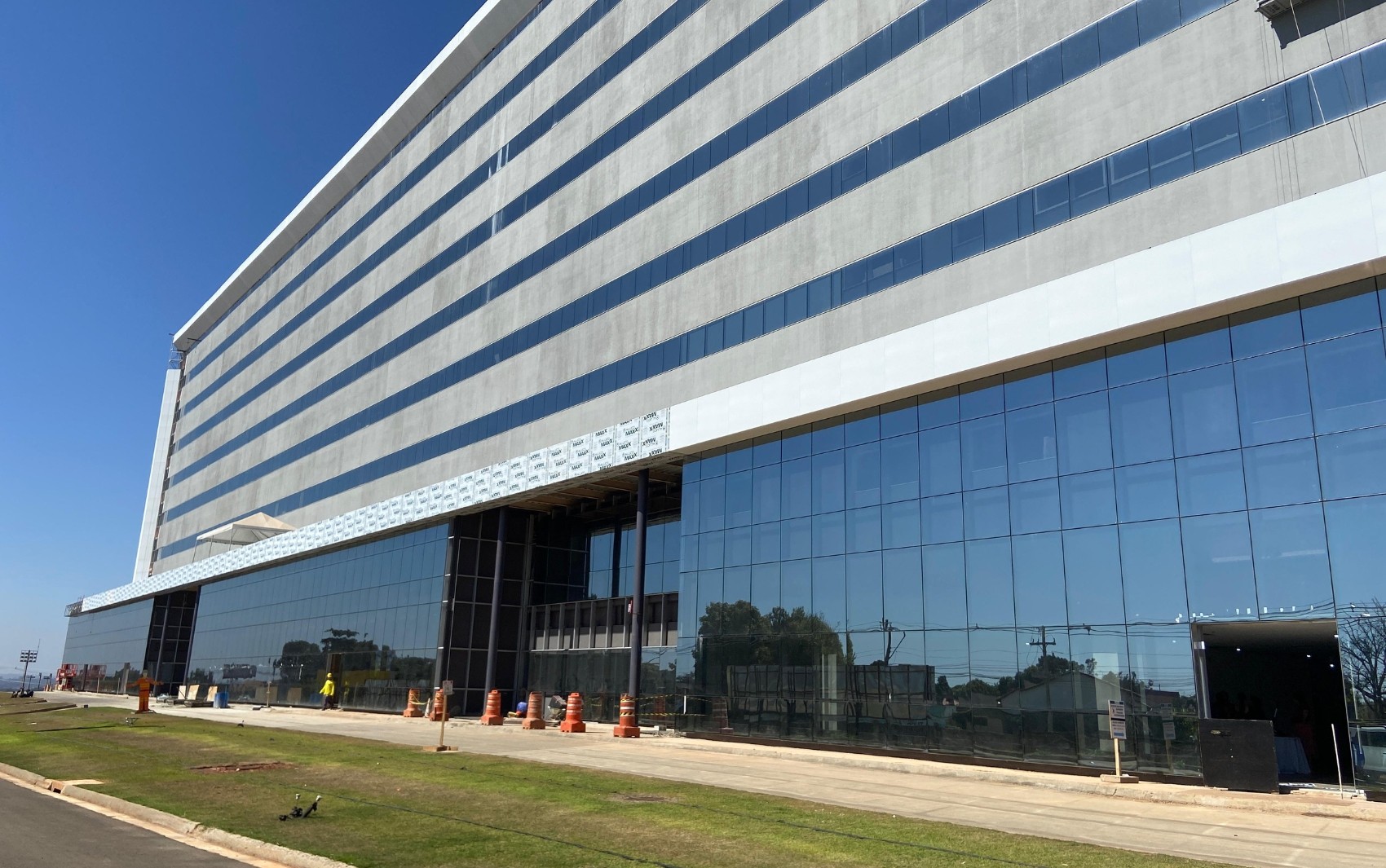
The Goiás government intends to purchase a new building for the Hospital of Urgencies of Goiânia (HUGO) for R$500 million, a cost that covers only the property acquisition and not equipment. This new facility, located in Goiânia's Conjunto Fabiana, will span over 53,000 square meters and include a 600-space covered parking lot. The move is expected to significantly expand urgent and emergency care services, as well as specialized treatments in trauma, neurology, neurosurgery, and high-complexity surgeries. Governor Daniel Vilela signed a letter of intent for the acquisition on Wednesday, May 8th. He noted that existing equipment from the current HUGO could be reused, but additional high-quality equipment will be necessary. The Mayor of Goiânia pledged swift municipal support, including expedited licensing and sanitary surveillance, to facilitate the transfer. The state will fund the purchase using its own treasury resources through a direct contract, citing the property's unique nature. The current owner will undertake necessary adaptations to the building, which was originally designed for high-complexity medical use, to ensure its suitability as a hospital. The transfer is projected for early 2027, pending the completion of renovations and the issuance of all necessary permits and licenses. Management of the hospital will remain under the Albert Einstein Brazilian Israeli Charitable Society.
The Goiás government's R$500 million investment in a new hospital facility signifies a strategic effort to enhance public healthcare capacity, particularly for urgent and emergency services. The decision to acquire an existing, purpose-built structure rather than construct a new one suggests a focus on expediting service expansion and potentially optimizing capital allocation. However, the substantial acquisition cost, separate from equipment and adaptation expenses, raises questions about the long-term financial sustainability and the total project expenditure. Future evaluations should consider the efficiency of this procurement model against alternative strategies, such as phased upgrades to existing facilities or public-private partnerships, particularly in light of evolving healthcare demands and technological advancements in the coming decade.
AI-generated to prompt reflection — not editorial opinion, not advice, not a statement of fact. How this works.