Goiás North's Traditional 'Feijão Trepa-Pau' Rice Recipe Shared by Chef Otávia Cabral
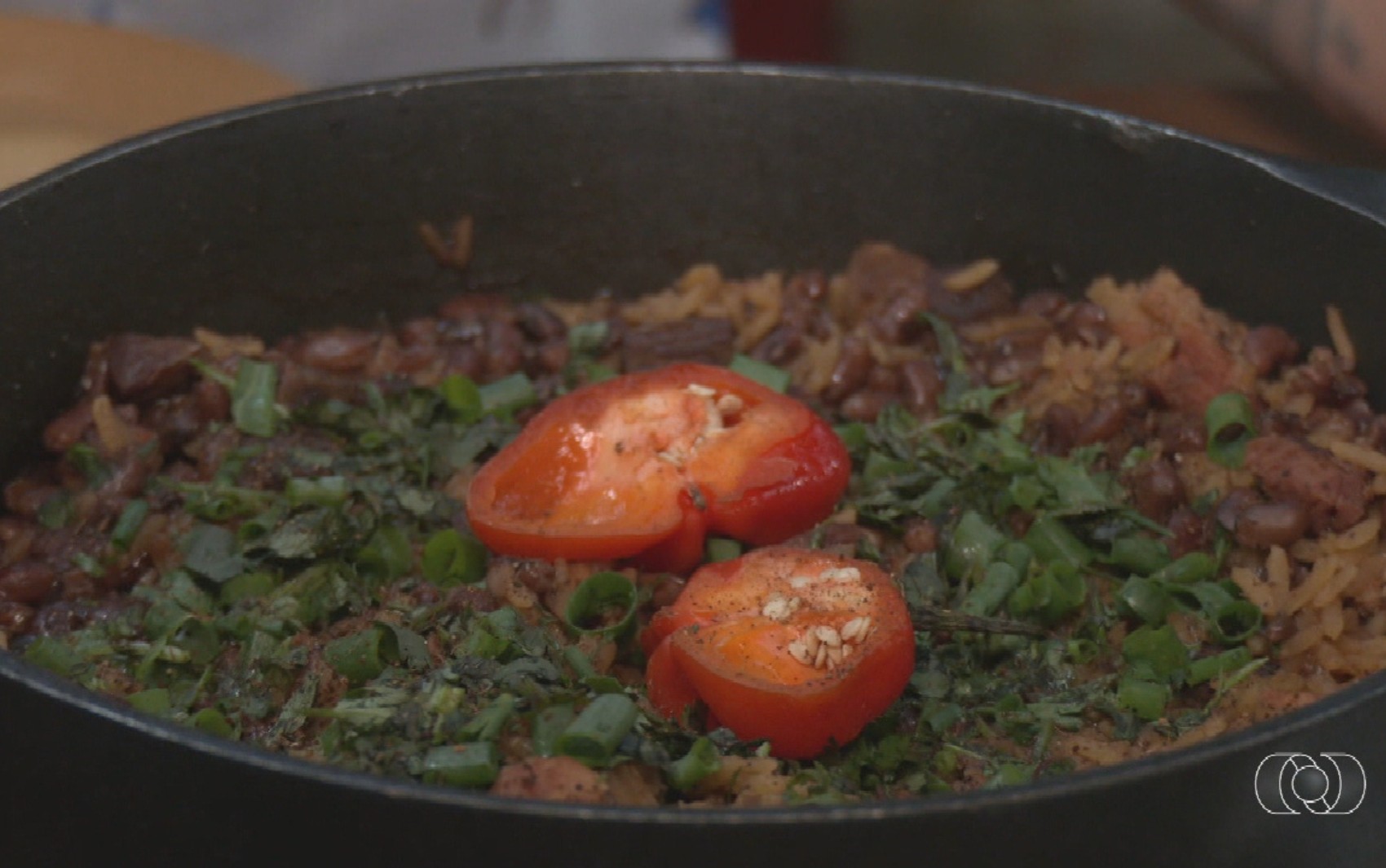
The "Jornal do Campo" program, featured on "Sabores do Campo," has shared a recipe for a traditional dish from northern Goiás, known as arroz com feijão trepa-pau. This dish is also recognized in the state of Tocantins. The recipe, prepared by chef Otávia Cabral, highlights the unique "trepa-pau" bean, a small, reddish grain cultivated differently from common beans, which gives the dish its name. Historically, this meal originated from "matulas," the single-pot meals prepared by "tropeiros" (cattle drovers) for sustenance during long journeys. Chef Cabral emphasizes the dish's robust flavor and simplicity, noting the trepa-pau bean as its key distinguishing feature. The ingredients include 2 cups of rice, 3 cups of trepa-pau beans, 200g of bacon, 400g of "carne serenada" (air-dried meat), one onion, four garlic cloves, chives, cilantro, salt, "pimenta chapéu-de-frade," and "pimenta-de-macaco." Preparation involves soaking the beans overnight, followed by slow cooking in a regular pot for about 30 minutes. Bacon is fried and set aside, then the serenada meat is browned with garlic and onion. Water is added to the meat in stages to enhance flavor. The rice is then cooked with the meat and bacon. Finally, the cooked beans are mixed with the rice and meat mixture, and finished with chives, cilantro, and peppers. The chef suggests enjoying this family-style dish with good conversation.
This culinary feature highlights a traditional dish rooted in the historical sustenance practices of Brazilian "tropeiros." The preparation method, emphasizing a single-pot meal and the use of specific regional ingredients like "carne serenada" and the "feijão trepa-pau," reflects a practical approach to food preservation and preparation in historical contexts. The recipe's revival by chef Otávia Cabral through "Jornal do Campo" serves to preserve and promote regional gastronomic heritage. From a systemic perspective, such dishes demonstrate the adaptive ingenuity of communities in utilizing local resources and culinary techniques, which can inform modern approaches to sustainable food systems and cultural preservation in the face of globalization and changing agricultural landscapes. The emphasis on simple, flavorful ingredients also aligns with contemporary trends favoring authentic, less processed food experiences.
AI-generated to prompt reflection — not editorial opinion, not advice, not a statement of fact. How this works.