Goiás Public Services Adjusted Monday for Symbolic Capital Transfer
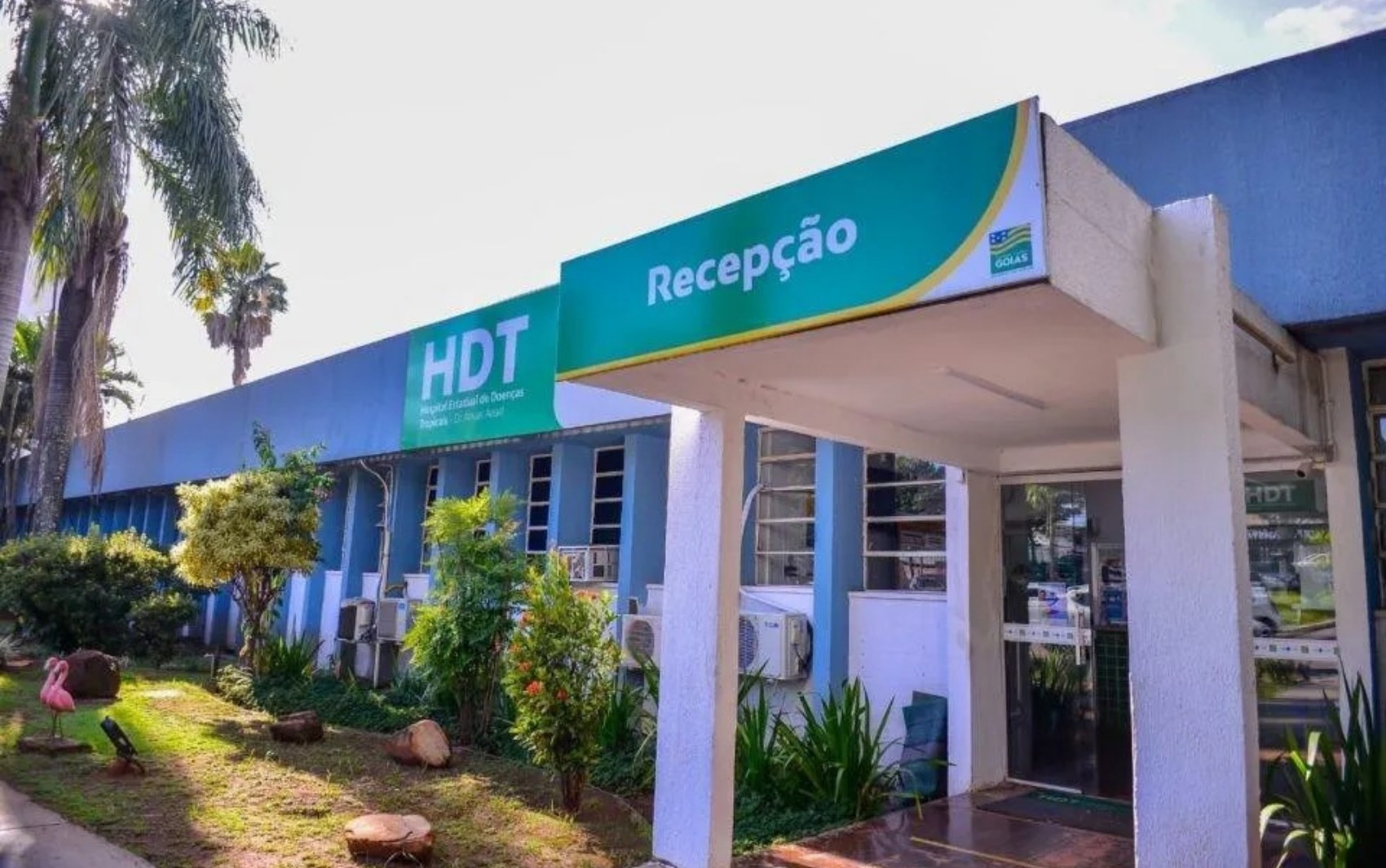
The government of Goiás, Brazil, announced altered operating hours for public agencies and health units on Monday, October 20th, due to a symbolic transfer of the state capital to the historic city of Goiás. Several key public service centers, including Vapt Vupt units, Detran (traffic department), and Procon (consumer protection), will be closed for in-person services. Citizens are encouraged to utilize digital platforms and applications for these services, such as the Expresso Goiás portal and app, Detran GO ON app, and the Procon virtual portal. Essential services like healthcare, public safety, and inspection will not be affected, though some health units will operate with specific hours or on-call duty. The administrative holiday, established by Decree No. 10.935/2022, was moved from its traditional date of July 25th. While administrative offices will be closed, facilities like Ceasa-GO (supply centers) will maintain normal market operations. Saneago, the state water company, will have its Vapt Vupt-based customer service closed but will continue 24-hour support through phone and online channels. Some specialized health centers, like Cemac JB, Coeg, and Cremic, will suspend public services, with scheduled appointments being rescheduled. Hospitals such as HDT, Hemu, and Ceap-SOL will continue emergency and inpatient services, though outpatient and specific clinics may be suspended. Lacen-GO (state public health laboratory) will operate on a reduced schedule for sample reception, and Ciatox (toxicology information center) will maintain 24-hour emergency consultation services.
This administrative decision highlights the logistical challenges and communication requirements associated with public service continuity during holiday observances. By shifting operations to digital platforms, the government aims to maintain accessibility while acknowledging the symbolic transfer of the capital. This approach underscores a broader trend towards digital governance, balancing traditional ceremonies with the need for uninterrupted essential services. The varied operational status of health facilities also points to the complex prioritization required in public health systems, ensuring critical care remains available while non-urgent services are temporarily paused. Future planning might involve more integrated digital infrastructure to streamline such transitions and enhance citizen access across all services, regardless of physical office closures.
AI-generated to prompt reflection — not editorial opinion, not advice, not a statement of fact. How this works.