Goiás Real Estate Broker Edilamar Ferreira Vilarinho Dies After Cancer Battle
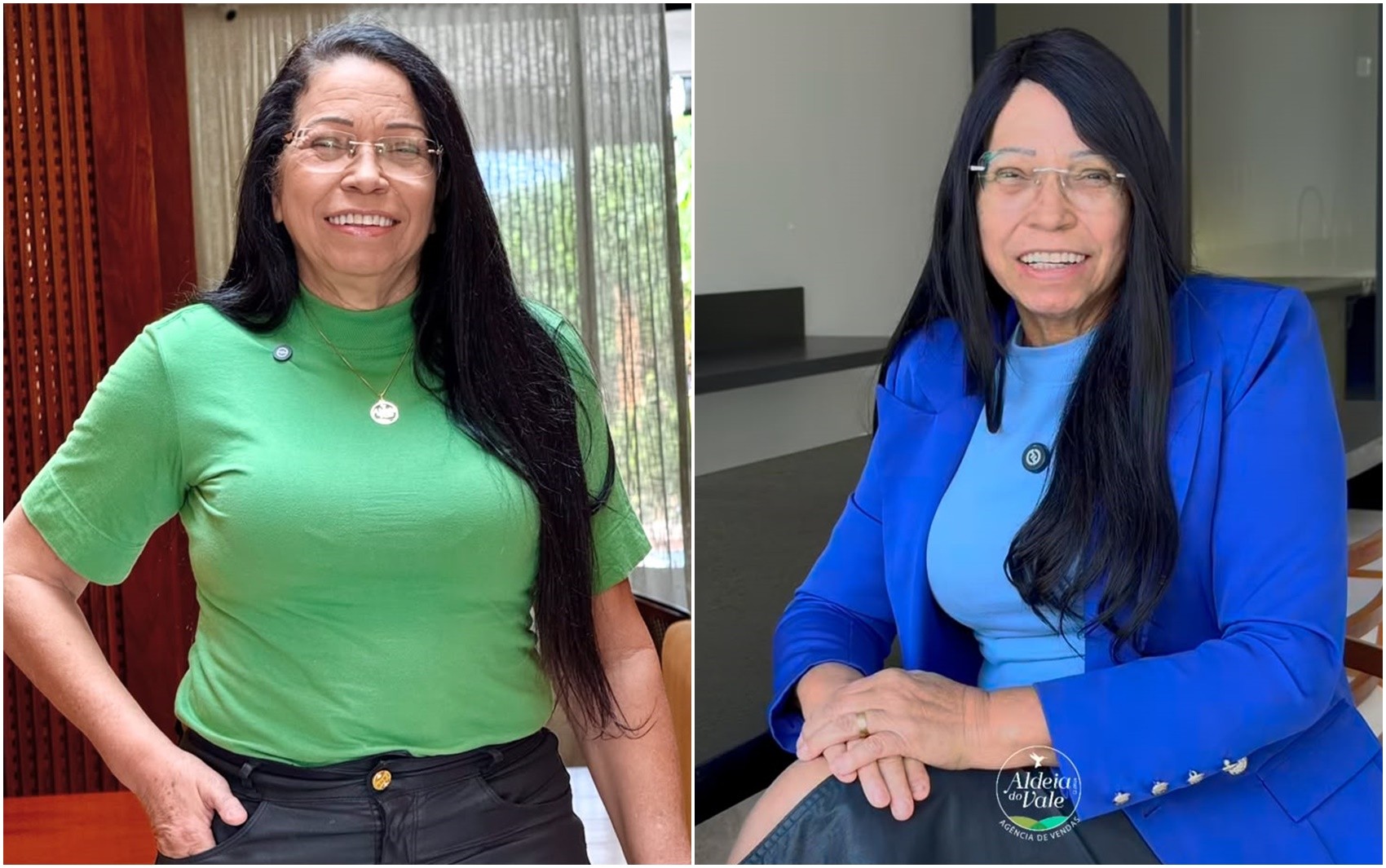
Edilamar Ferreira Vilarinho, a respected real estate broker in Goiás, passed away on Monday, the 21st, following a battle with cancer. Colleagues remembered her for her integrity, humility, and commitment to the real estate industry, with her death causing widespread sadness among friends and professionals in the sector. Vilarinho discovered her illness in 2025 after seeking medical attention for ankle swelling, which was initially thought to be an injury. A biopsy later confirmed bone cancer, prompting her to begin treatment, including chemotherapy sessions. Despite her health struggles, Vilarinho maintained a positive outlook and continued to follow the real estate market's developments, according to her friend and fellow broker, Fúlvio Santos. Santos described her as a source of hope, always expressing faith in her recovery and radiating optimism even while discussing her pain and difficulties. With decades of experience, Vilarinho was known for her ethical approach and willingness to mentor newer professionals, with Santos crediting her as a significant influence on his own career. She consistently advised colleagues to prioritize ethics in negotiations and was recognized for her straightforward nature and passion for her work, often helping others without seeking personal gain. The real estate community and the Creci-GO (Regional Council of Real Estate Brokers) posted tributes on social media, acknowledging her dedication. Her funeral and burial took place in Ituiutaba, Minas Gerais, her hometown.
The passing of Edilamar Ferreira Vilarinho highlights the profound impact of individuals within professional communities. Her dedication and ethical conduct served as a benchmark, influencing colleagues and the broader real estate market in Goiás. The narrative underscores the importance of mentorship and integrity in professional development, suggesting that such values foster resilience and positive professional environments. From a systemic perspective, the story prompts reflection on how healthcare access and early detection protocols influence patient outcomes, particularly for aggressive diseases like bone cancer. The emotional impact on her professional network also points to the social capital generated by strong ethical frameworks within industries, suggesting that such networks can provide crucial support during personal crises. Looking forward, the emphasis on ethics and mentorship could inform best practices for professional development and organizational culture in the AI era, where human-centric values remain paramount.
AI-generated to prompt reflection — not editorial opinion, not advice, not a statement of fact. How this works.