Goiás State Government Acquires New Building for Major Hospital Transfer
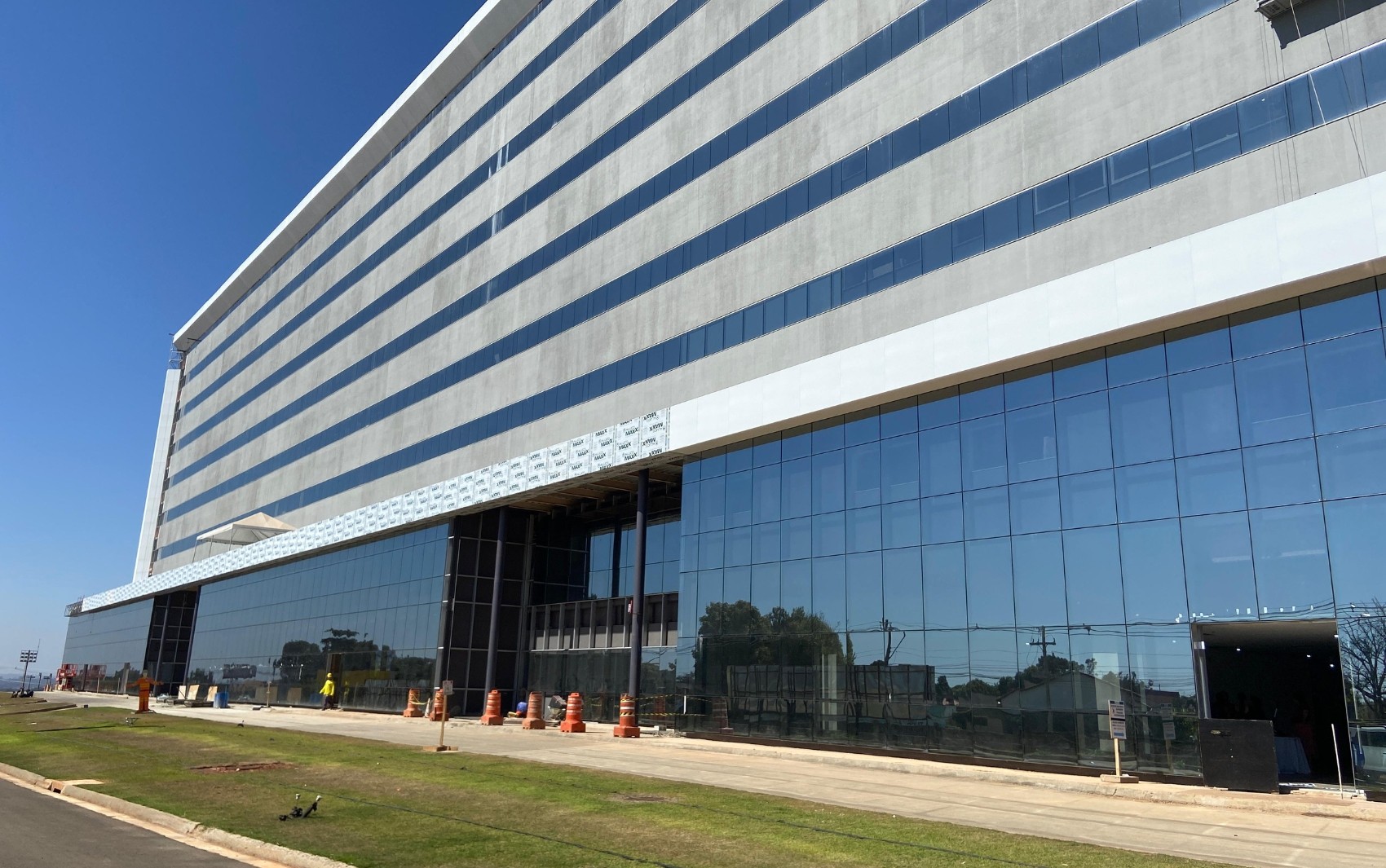
The Goiás state government in Brazil has purchased a new hospital facility in Goiânia to relocate the Hospital de Urgências de Goiás (Hugo). This strategic move aims to significantly expand emergency and urgent care services, alongside specialized treatments in trauma, neurology, and neurosurgery, as well as high-complexity surgeries. Governor Daniel Vilela formally signed the intention protocol for the acquisition on Wednesday, March 8th. The Mayor of Goiânia, present at the signing, praised the governor's swift and decisive action, pledging municipal support for licensing and expedited processes. The new facility, located in Conjunto Fabiana, was originally intended for the Câncer Center Goiânia, but the private group behind that project withdrew. The state acquired the property for R$ 500 million using state treasury funds through a direct contract due to the unique nature of the imóvel. This acquisition is expected to increase the hospital's bed capacity from the current 342 to over 500, and expand the surgical center from 10 to 20 beds. The R$ 500 million covers only the building purchase, with separate plans to utilize existing equipment from the current Hugo and invest in new, high-quality equipment for the expanded facility. The new building, spanning over 53,000 square meters and featuring a 600-space covered parking lot, is nearing completion by private developers. The contract includes provisions for necessary adaptations to ensure the facility's functionality as a hospital, with the Goiás Health Secretary confirming that these adjustments are being made floor by floor. The management of Hugo will remain under the Sociedade Beneficente Israelita Brasileira Albert Einstein, with the transfer contingent upon the full completion of construction, necessary adaptations, and the issuance of all required licenses and permits.
The Goiás state government's acquisition of a new hospital building represents a significant public investment aimed at enhancing healthcare infrastructure. The decision to use state funds for a direct purchase, bypassing a standard bidding process due to the property's unique nature, highlights a focus on rapid deployment of critical services. This strategy, while potentially efficient, warrants scrutiny regarding public procurement transparency and value for taxpayer money, especially given the R$ 500 million price tag. The plan to expand bed capacity and surgical capabilities addresses a clear public need, but the success hinges on effective integration of existing and new equipment, alongside the operational transition under the current management. Future challenges may involve ensuring equitable access to these expanded services and managing the long-term operational costs of a larger, more complex facility within the evolving healthcare landscape.
AI-generated to prompt reflection — not editorial opinion, not advice, not a statement of fact. How this works.