Gold Prices Plummet Despite Rising Geopolitical Tensions
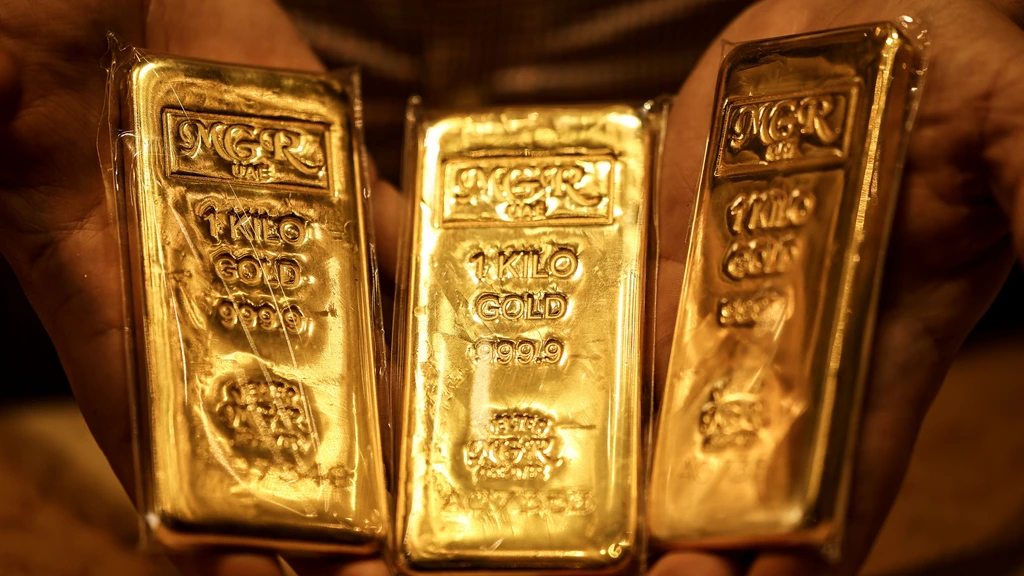
Despite significant global geopolitical tensions, the price of gold has experienced a substantial decline in recent months. After reaching a peak near $5,500 per troy ounce in late January, the price dropped below $4,000 last week. This sharp correction surprised many analysts, including Ewa Manthey, a gold expert at ING, who noted the unexpected magnitude of the decrease. Most financial institutions have consequently lowered their gold price forecasts for the year. Traditionally, gold is considered a safe-haven asset during turbulent times, and the outbreak of war in the Persian Gulf in early March would typically be expected to increase investor interest. However, the opposite occurred. Experts attribute the price drop to the inflationary pressures caused by the Middle East conflict, which has driven up commodity and energy prices. This inflation prompts central banks to consider raising interest rates to curb price increases. ABN Amro's stock expert, Jan Wirken, highlighted that potential interest rate hikes by the U.S. Federal Reserve, suggested by new chairman Kevin Warsh, make U.S. Treasury bonds more attractive. Unlike bonds, gold does not yield interest or dividends, making it less appealing when interest rates rise. Furthermore, investors have shown a strong preference for the burgeoning AI sector, leading many to sell gold to invest in technology companies. The strengthening U.S. dollar also contributed to the decline by making gold more expensive to purchase in dollar terms, thus reducing demand. The gold price is currently fluctuating around $4,150 per troy ounce, with expectations of continued volatility. However, some major banks, like Goldman Sachs, predict a rebound, forecasting the price to reach $4,900 by the end of the year.
The recent sharp decline in gold prices, contrary to traditional safe-haven behavior during geopolitical crises, highlights evolving investor sentiment and macroeconomic influences. While conflict typically drives demand for gold, rising inflation and the prospect of central bank interest rate hikes have shifted investment priorities towards yield-bearing assets like U.S. Treasury bonds. The significant capital flow into the AI sector further illustrates a speculative appetite for high-growth technology, overshadowing traditional hedges. This dynamic suggests that in the current economic landscape, the interplay between inflation, monetary policy, and emerging technological frontiers may be more influential than geopolitical risk alone in determining gold's value. Investors face a trade-off between the perceived security of gold and the potential for higher returns from interest-bearing instruments or growth stocks, a decision that will likely continue to shape commodity markets.
AI-generated to prompt reflection — not editorial opinion, not advice, not a statement of fact. How this works.