Golden Broom Cleans Jagannath Rath Yatra Path in Puri
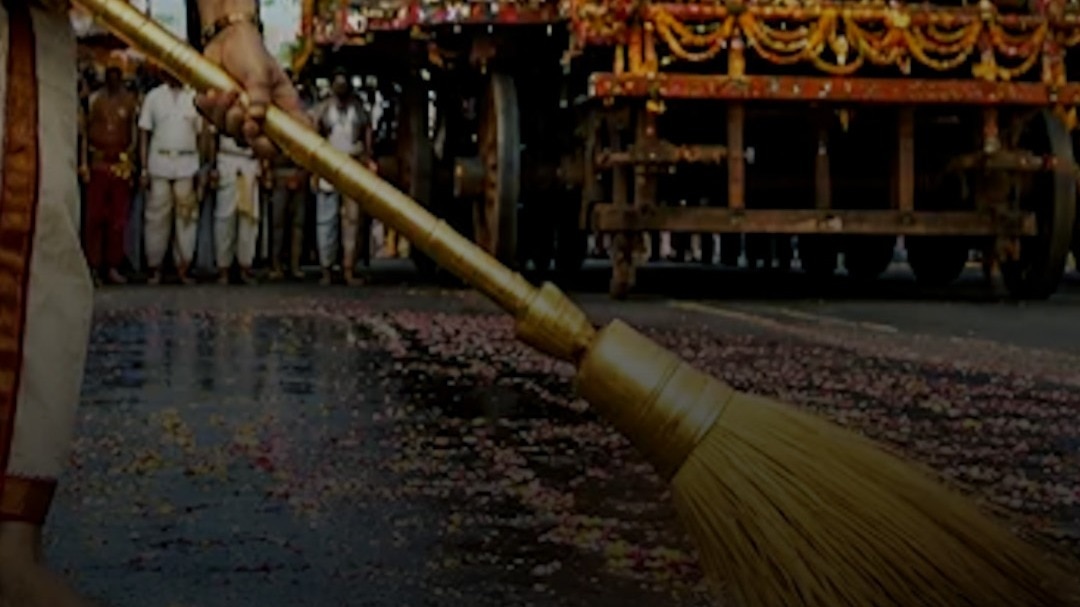
A unique tradition is observed during the renowned Jagannath Rath Yatra in Puri, India, where the Gajapati Maharaj sweeps the chariot route. He uses a broom with a golden handle for this ceremonial cleaning. This practice is considered a symbol of humility and respect towards the deities. The use of gold, a metal signifying purity, imbues this ritual with profound religious significance. The annual Rath Yatra is a major event in Puri, drawing devotees and tourists alike. The Gajapati Maharaj, as the chief patron of the Jagannath Temple, plays a pivotal role in the festival's ceremonies. This act of cleaning the path is believed to purify the route for the deities' procession. The tradition highlights the deep-rooted cultural and spiritual heritage associated with the Jagannath Temple and its festivals. The golden broom symbolizes the sanctity and auspiciousness of the occasion.
The ceremonial cleaning of the Rath Yatra path by the Gajapati Maharaj with a golden broom underscores the intersection of religious symbolism and royal patronage in cultural festivals. This practice, while rooted in tradition and demonstrating reverence, also reflects historical power structures and the material wealth associated with religious institutions. In the contemporary context, such rituals can be viewed through the lens of cultural heritage preservation and tourism, while also prompting reflection on the economic resources dedicated to ceremonial acts. The emphasis on purity and gold highlights a long-standing cultural association of precious metals with the divine and auspicious occasions, a theme that resonates across many civilizations and can influence perceptions of value and sanctity.
AI-generated to prompt reflection — not editorial opinion, not advice, not a statement of fact. How this works.