Goldman Sachs Bars Employees from Betting on Polymarket, Citing Risk
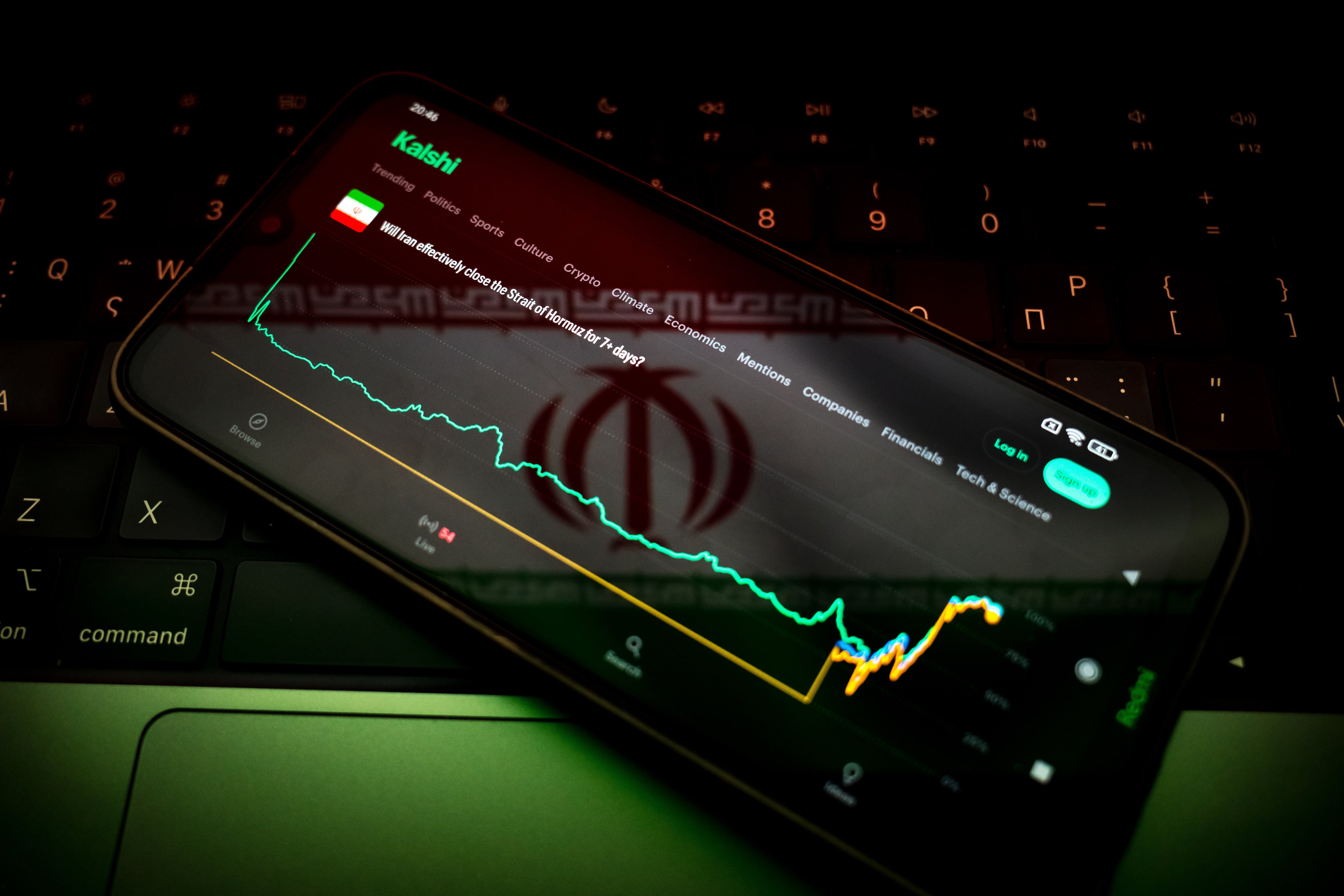
Goldman Sachs has issued a directive prohibiting its employees from participating in betting markets on Polymarket, a platform where users can wager on the outcomes of political and financial events. The restriction applies to all Polymarket events except those related to sports. This move by the Wall Street investment bank aims to mitigate potential conflicts of interest and manage reputational risks associated with employees engaging in such speculative activities. The policy underscores the firm's commitment to maintaining professional standards and avoiding situations that could compromise its integrity or client trust. Employees are expected to adhere strictly to this new guideline, which reflects a broader trend of financial institutions scrutinizing employee conduct outside of work to ensure alignment with company values and regulatory expectations. The prohibition signals a cautious approach by Goldman Sachs towards the burgeoning world of prediction markets and their intersection with the financial industry.
Goldman Sachs' prohibition on employee participation in non-sports prediction markets on Polymarket highlights the evolving regulatory landscape for financial professionals engaging with speculative platforms. The firm's action prioritizes risk management and reputational integrity, seeking to preempt potential conflicts of interest and maintain client confidence. This policy reflects a broader industry concern regarding the blurring lines between professional duties and personal speculative activities, particularly in areas like political and financial forecasting. By drawing a distinction with sports betting, the firm may be acknowledging different risk profiles or public perceptions. Looking ahead, as prediction markets gain traction, financial institutions will likely continue to refine policies, balancing employee autonomy with the imperative to safeguard institutional reputation and adhere to emerging governance standards in the digital age.
AI-generated to prompt reflection — not editorial opinion, not advice, not a statement of fact. How this works.