Google AI Flags 8 Chilean Rivers at Risk of Flooding Amid Heavy Rains
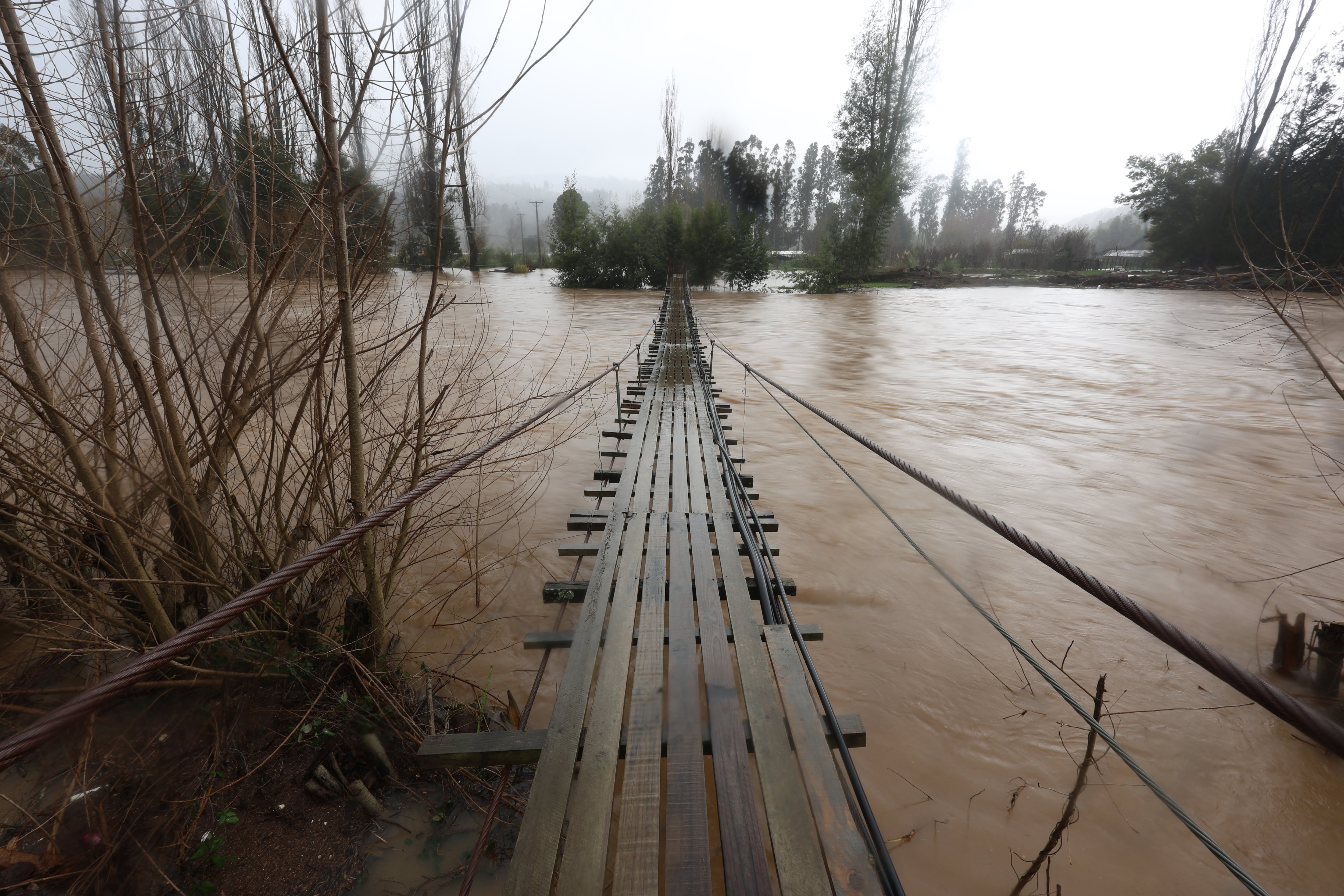
Google's Flood Hub platform has identified eight rivers in Chile that are at risk of flooding due to the intense rainfall expected this week. Of these, three rivers have been categorized as "Danger" and five are under "Warning" according to the AI's projections. This early warning system aims to provide timely information to authorities and communities in affected areas. The platform utilizes advanced AI models to analyze weather patterns and hydrological data, enabling it to predict potential flood events with greater accuracy. The specific names of the rivers and the regions they are located in were not provided in the initial report. This initiative by Google highlights the growing role of artificial intelligence in disaster preparedness and response. By forecasting potential hazards, the Flood Hub can facilitate proactive measures to mitigate damage and ensure public safety. Authorities in Chile will likely use this information to implement precautionary measures, such as monitoring river levels, preparing evacuation plans, and alerting residents in low-lying areas. The system's ability to detect threats days in advance is crucial for effective emergency management.
AI-powered early warning systems like Google's Flood Hub represent a significant advancement in disaster risk reduction, shifting from reactive to proactive management. By leveraging predictive analytics, these tools can provide critical lead time for authorities to implement preventative measures, thereby potentially saving lives and reducing economic losses. However, the effectiveness of such systems hinges on seamless integration with existing governmental response frameworks and clear communication protocols to ensure that the AI's alerts translate into tangible actions on the ground. The challenge lies in ensuring equitable access to this technology and its outputs across all affected regions, regardless of their resource levels, to avoid exacerbating existing vulnerabilities. Furthermore, ongoing validation and refinement of the AI models are essential to maintain accuracy and build public trust in these increasingly vital technological aids.
AI-generated to prompt reflection — not editorial opinion, not advice, not a statement of fact. How this works.