Google Chrome May Soon Offer Faster Updates Without Requiring Restarts
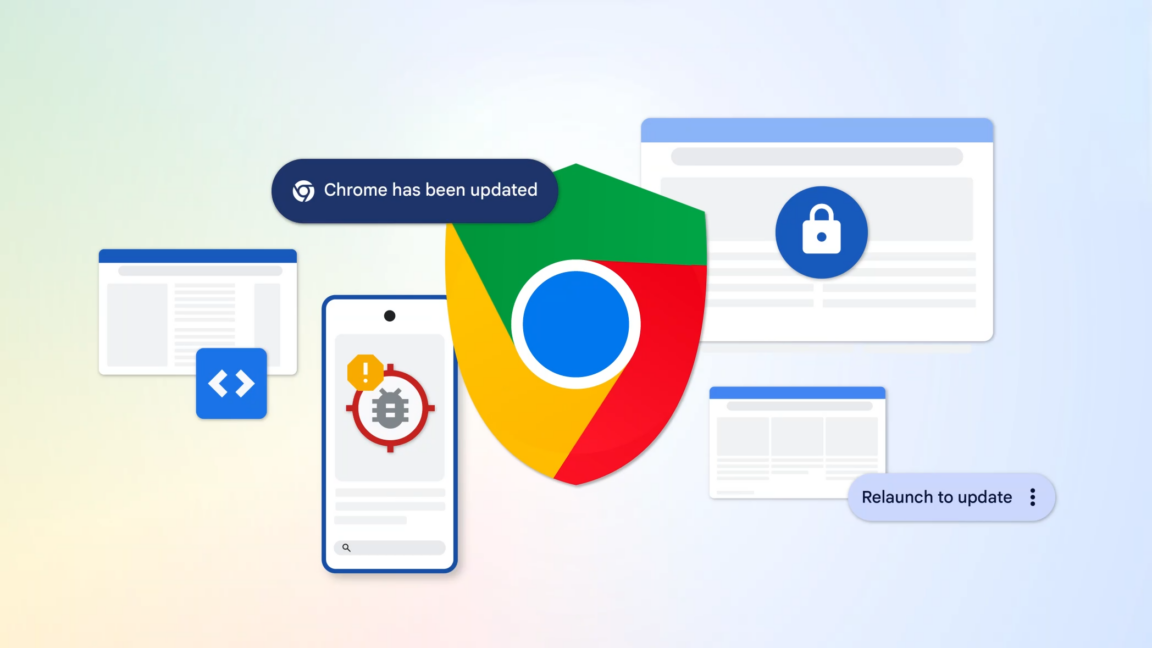
Recent developments suggest Google Chrome is moving towards a more streamlined update process. The last two versions of the browser have incorporated a significantly higher number of patches compared to the preceding 23 versions combined. This indicates a potential shift in how Chrome handles its updates, aiming for more frequent and possibly less disruptive deployments.
This accelerated patching frequency could lead to faster delivery of security fixes and new features to users. The prospect of these updates being applied without requiring a full browser restart would further enhance the user experience by minimizing interruptions. While the article does not specify the exact timeline or technical implementation, the trend points towards a more agile and user-friendly update mechanism for Google Chrome.
This development in Chrome's update strategy aligns with broader industry trends toward continuous delivery and minimizing user friction. By increasing patch frequency and potentially eliminating restart requirements, Google aims to improve security posture and feature adoption rates. This approach leverages the benefits of agile development cycles, allowing for quicker responses to emerging threats and user feedback. The underlying incentive is to maintain Chrome's market share by offering a more seamless and secure browsing experience, which could influence competitors to adopt similar update methodologies. The long-term implication is a more dynamic and responsive software ecosystem.
AI-generated to prompt reflection — not editorial opinion, not advice, not a statement of fact. How this works.