Google DeepMind reveals Gemini Robotics 2, but human oversight is still crucial
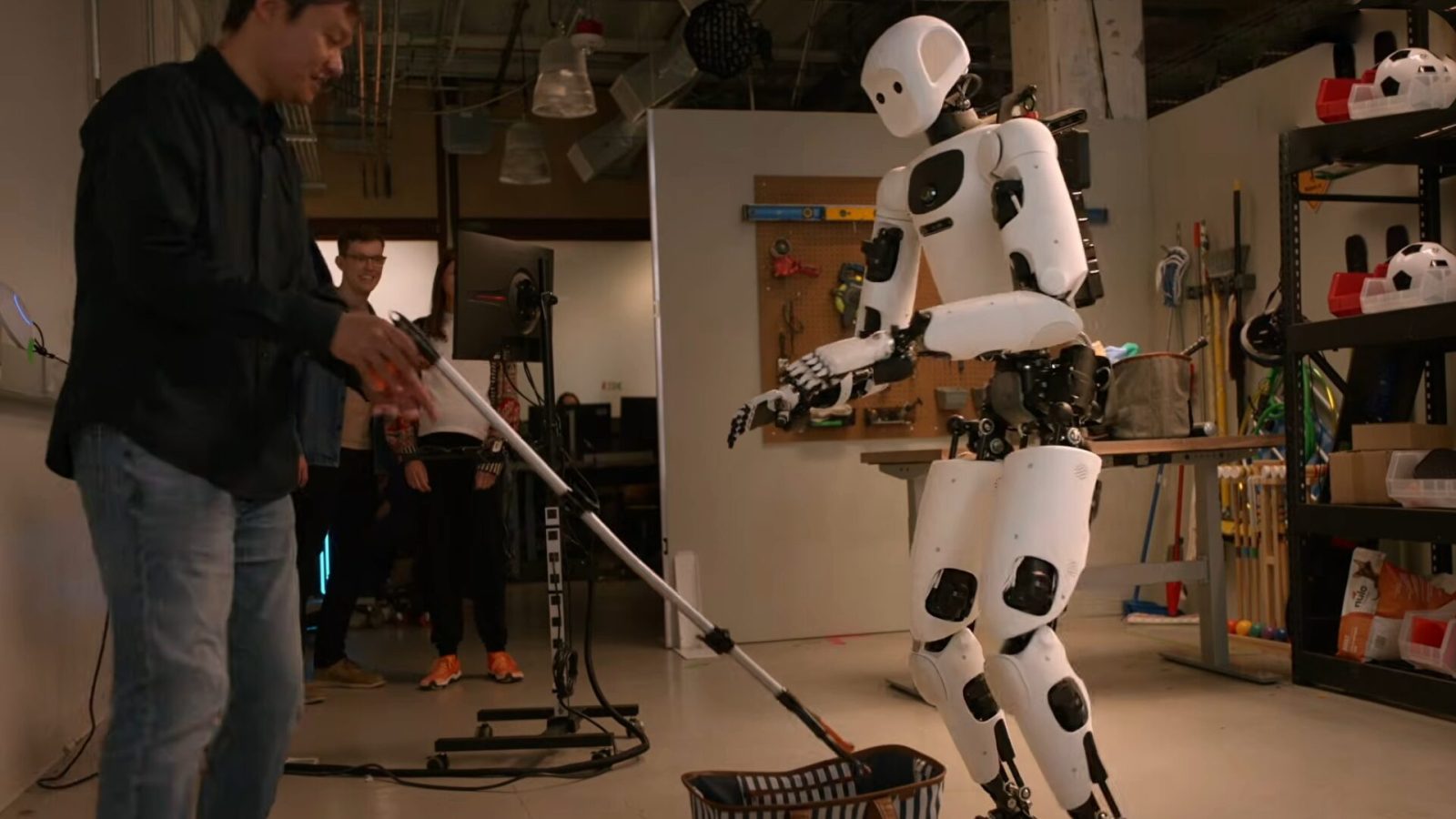
Google DeepMind has introduced Gemini Robotics 2, a new suite of three models designed to control entire humanoid robots. These models are capable of performing a range of tasks, from walking to object manipulation. However, the technology is still in its early stages of development, highlighting the significant challenges that remain.
For instance, the current iteration of the system can only successfully pick up an object from the ground in 45.7% of attempts. This statistic underscores the substantial gap between current robotic capabilities and the reliability required for widespread autonomous operation. While Gemini Robotics 2 represents a step forward in robotic control, human intervention and further refinement are clearly necessary for practical applications.
The introduction of Gemini Robotics 2 by Google DeepMind demonstrates progress in complex robotic control, yet the reported success rate of 45.7% for object retrieval highlights a critical dependency on human oversight. This figure suggests that current AI-driven robotic systems, while advancing, are not yet robust enough for autonomous operation in unpredictable environments. The development trajectory indicates a need for continued investment in sensor fusion, adaptive learning, and error correction mechanisms to improve reliability. Future iterations will likely focus on enhancing the robots' ability to generalize from training data to real-world scenarios, addressing the inherent variability that challenges current models and paving the way for more dependable human-robot collaboration.
AI-generated to prompt reflection — not editorial opinion, not advice, not a statement of fact. How this works.