Google Enhances Android Benchmarking Tool with New LLMs, but Gemini Faces Challenges
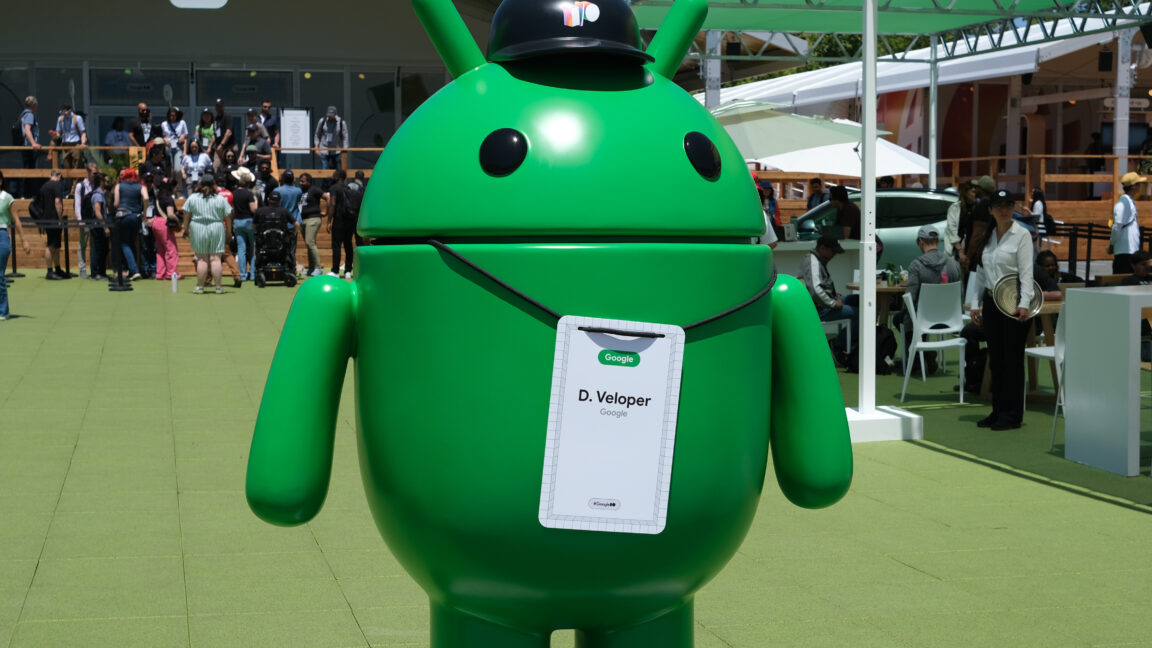
Google is actively updating its Android Bench tool, a platform designed to help developers evaluate and improve Android performance. The latest iteration includes the integration of new large language models (LLMs), aiming to provide more sophisticated benchmarking capabilities. Developers are being encouraged to participate in this evolution, with their input crucial for shaping the future direction of the tool. Despite these advancements, the article notes that Google's own Gemini model is still not performing as well as expected within this updated benchmarking environment. This suggests that while the underlying infrastructure is improving, the performance of specific AI models like Gemini may require further optimization to meet benchmarks. The ongoing development of Android Bench signifies Google's commitment to providing robust tools for its developer community, even as it navigates the competitive landscape of AI model development.
The integration of new LLMs into Android Bench reflects a strategic effort by Google to enhance its developer tooling, aligning with the increasing importance of AI performance in mobile applications. This move aims to provide developers with more accurate metrics for evaluating AI-driven features. However, the stated lag of Gemini suggests a potential disconnect between Google's internal AI development and its ability to meet the performance standards set by its own benchmarking tools. This situation highlights the complex challenges in optimizing cutting-edge AI models for diverse hardware and software ecosystems. Future iterations may focus on refining Gemini's architecture or adjusting benchmark parameters to better reflect real-world performance, underscoring the iterative nature of AI development and the critical role of performance measurement in achieving competitive parity.
AI-generated to prompt reflection — not editorial opinion, not advice, not a statement of fact. How this works.