Google Introduces Selfie Videos for Account Login and Verification
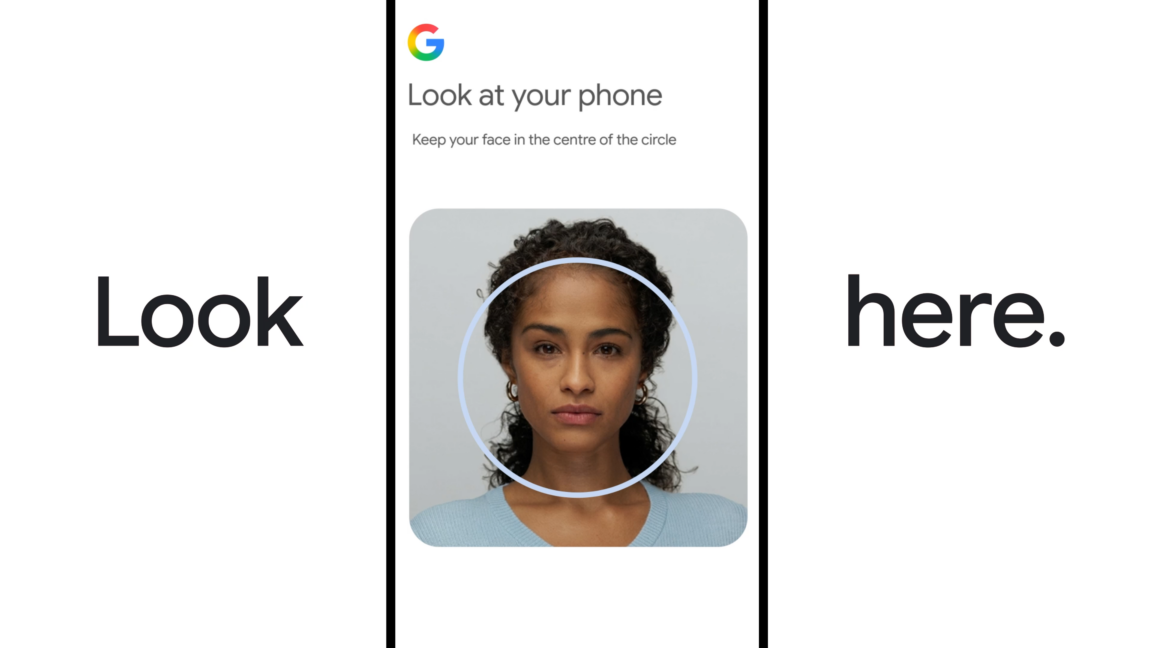
Google is now allowing users to log into their accounts using selfie videos, a feature that can also be employed for AI avatars and age verification purposes. This new functionality aims to provide a more convenient and potentially secure method for accessing personal accounts. The use of video selfies represents an advancement in biometric authentication, moving beyond static images or fingerprints. Users can record short video clips that Google's systems will analyze to confirm their identity. This technology could streamline the process of recovering forgotten passwords or setting up new devices. Beyond account access, the selfie videos are designed to be versatile, contributing to the creation of personalized AI avatars that users can utilize across various Google services. Furthermore, the system is being developed to assist with age verification, a critical component for complying with regulations and ensuring appropriate content access. The integration of this technology highlights Google's ongoing investment in AI and biometric solutions for enhanced user experience and security.
The introduction of selfie videos for account access signifies a shift towards more dynamic biometric authentication methods. While offering potential convenience, this approach introduces new considerations regarding data privacy and the security of video data. The system's reliance on AI for identity verification raises questions about its accuracy, potential biases, and the robustness of its security against increasingly sophisticated spoofing techniques. As this technology evolves, it will be crucial to examine the trade-offs between user accessibility, data protection, and the ethical implications of widespread video data collection for authentication and avatar generation. The long-term impact will depend on the development of transparent governance frameworks and user-centric privacy controls.
AI-generated to prompt reflection — not editorial opinion, not advice, not a statement of fact. How this works.