Google Maps' Influence on Restaurant Visibility
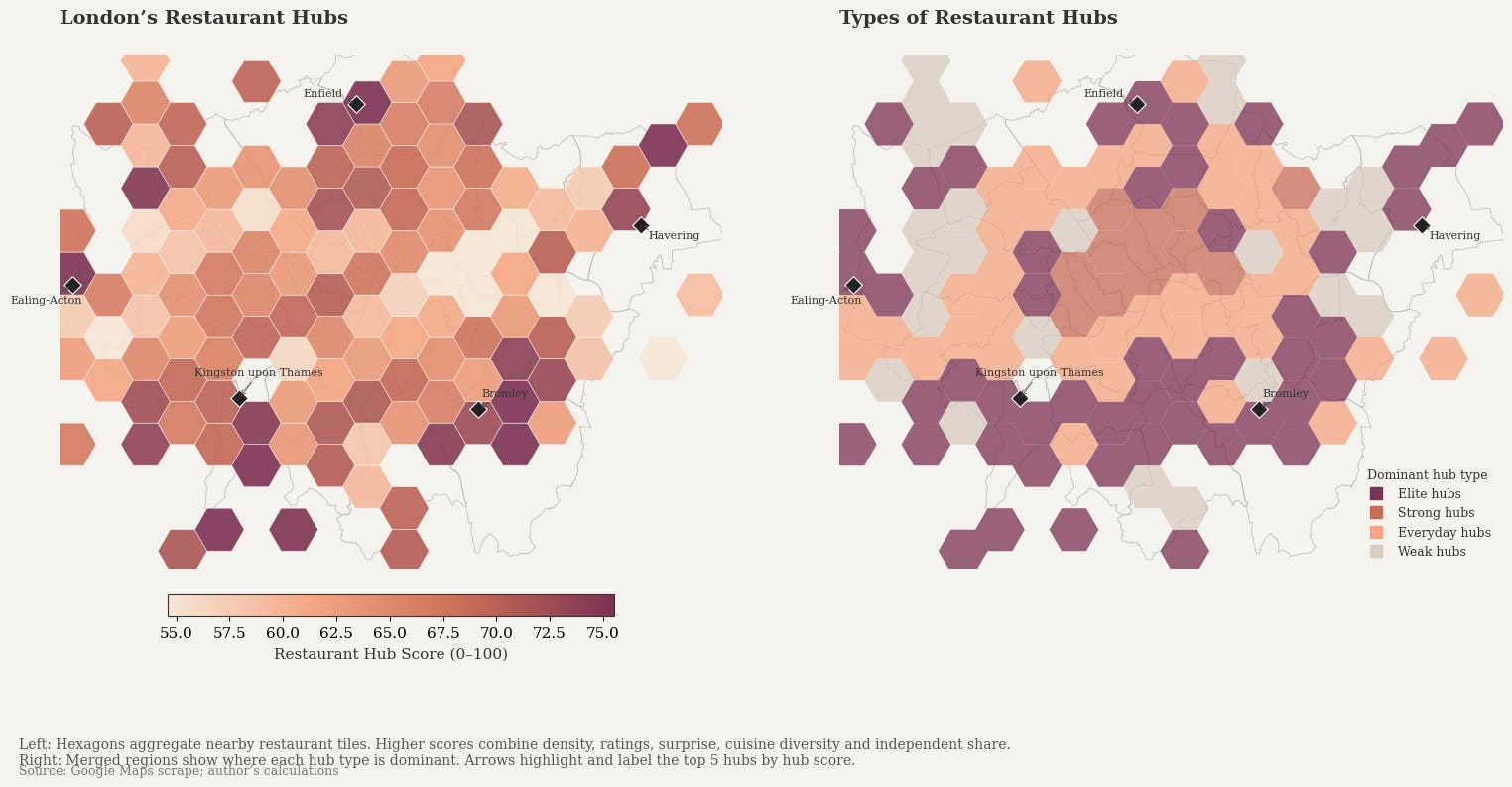
The article discusses how major tech companies, including Google, exert significant control over the information users access, a phenomenon often overlooked outside of search engines and social media. This influence extends to platforms like Google Maps, which plays a crucial role in how consumers discover and interact with local businesses, particularly restaurants. The power to highlight or de-emphasize certain establishments on Google Maps can profoundly impact their visibility and, consequently, their success. This dynamic raises questions about the transparency and fairness of algorithmic curation in the digital age. The piece suggests that while users are aware of content manipulation in search and social feeds, the extent of this control in navigation and local discovery tools is less frequently considered. The author implies that this lack of awareness can lead to an uneven playing field for businesses, where algorithmic ranking, rather than inherent quality or customer preference, dictates prominence. The implications for small businesses, which often rely heavily on online visibility, are particularly significant. The article calls for greater attention to how such platforms shape consumer behavior and market dynamics.
The increasing reliance on digital platforms like Google Maps for local discovery presents a complex interplay between user experience and business viability. Algorithmic curation, while designed for efficiency and personalization, can inadvertently create dependencies and power imbalances. Businesses that are less visible on these platforms may struggle to attract customers, irrespective of their service quality. This dynamic highlights a systemic challenge in the digital economy: how to ensure equitable access and visibility for all market participants within privately controlled digital ecosystems. Future considerations should involve exploring mechanisms for greater transparency in ranking algorithms and fostering a more diverse digital marketplace that supports a wider range of businesses, thereby mitigating the risk of market concentration driven by platform gatekeepers.
AI-generated to prompt reflection — not editorial opinion, not advice, not a statement of fact. How this works.