Google Maps Uses Dual Names for Falkland Islands Amid Naming Dispute
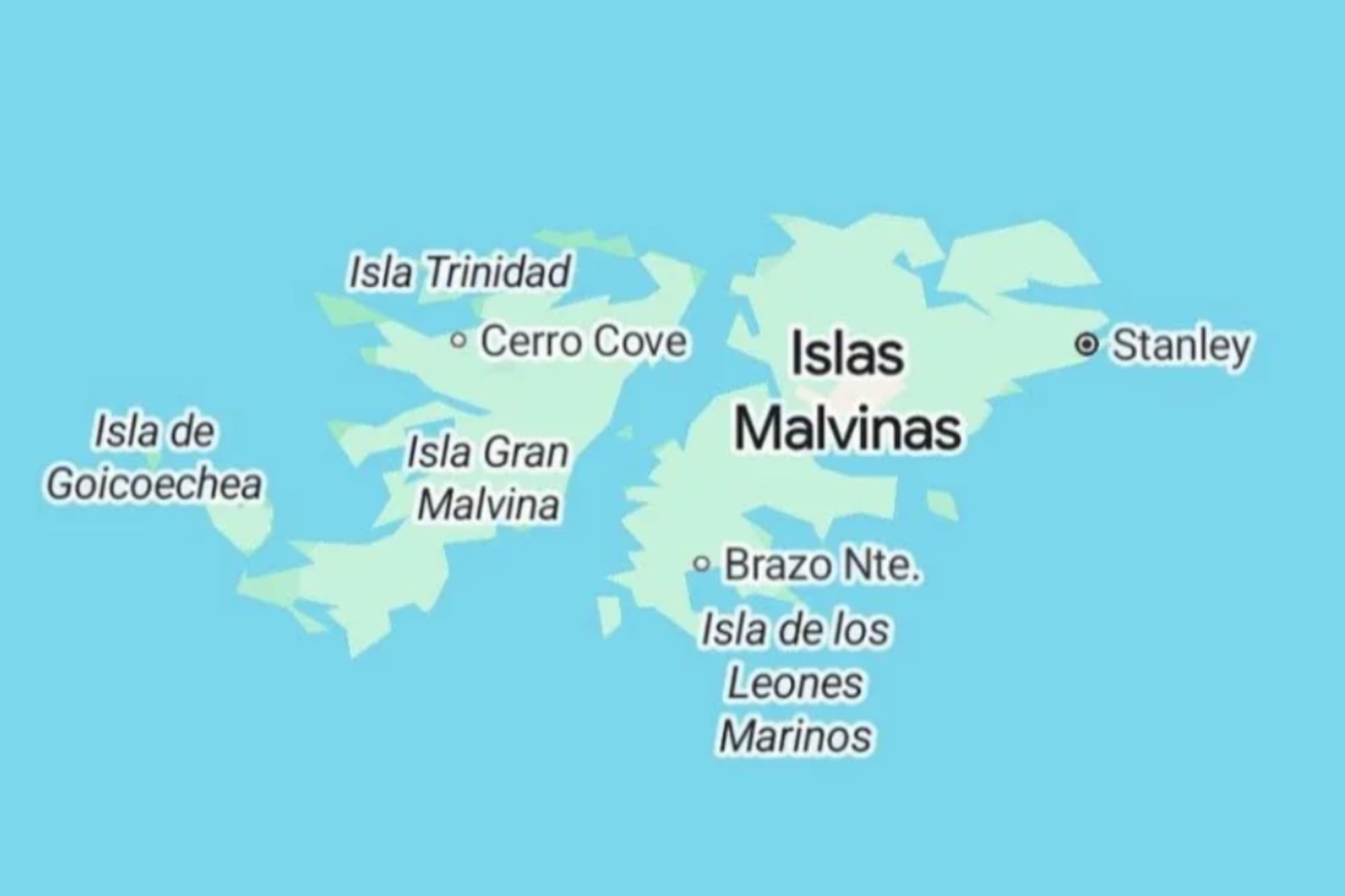
The long-standing dispute over the naming of the Falkland Islands has extended to the geolocation criteria of technology platforms, as highlighted by Google Maps' use of dual names. This issue has resurfaced in the context of major global events, such as the lead-up to the 2026 World Cup semifinals. Google Maps displays both "Falkland Islands" and "Islas Malvinas" to accommodate different user perspectives and acknowledge the ongoing sovereignty debate. This dual-labeling approach is a common strategy employed by tech companies to navigate politically sensitive geographical naming conventions. The platform's decision reflects an attempt to remain neutral while providing comprehensive information to its global user base. The naming dispute itself is a complex historical and political issue with significant implications for the region. The use of dual names on Google Maps aims to avoid taking a definitive stance, thereby mitigating potential criticism from either side of the dispute. This approach underscores the challenges technology companies face in balancing user experience, political sensitivities, and factual representation in a globalized digital landscape. The ongoing debate over the islands' name continues to be a point of contention, impacting international relations and geographical representation.
Google Maps' dual-naming strategy for the Falkland Islands/Islas Malvinas reflects a common corporate approach to navigating complex geopolitical sensitivities. By presenting both names, the platform aims to mitigate controversy and serve a diverse user base, acknowledging the historical and political dispute without endorsing either claim. This approach highlights the tension between providing objective geographical data and the reality of contested territories. In the long term, such platforms may face increasing pressure to adopt more definitive stances as digital borders and information sovereignty become more critical. The decision also underscores how technological platforms have become arbiters of global narratives, influencing public perception and international discourse on territorial disputes.
AI-generated to prompt reflection — not editorial opinion, not advice, not a statement of fact. How this works.