Google Reportedly Opts for Intel's EMIB Packaging Over TSMC for New TPUs
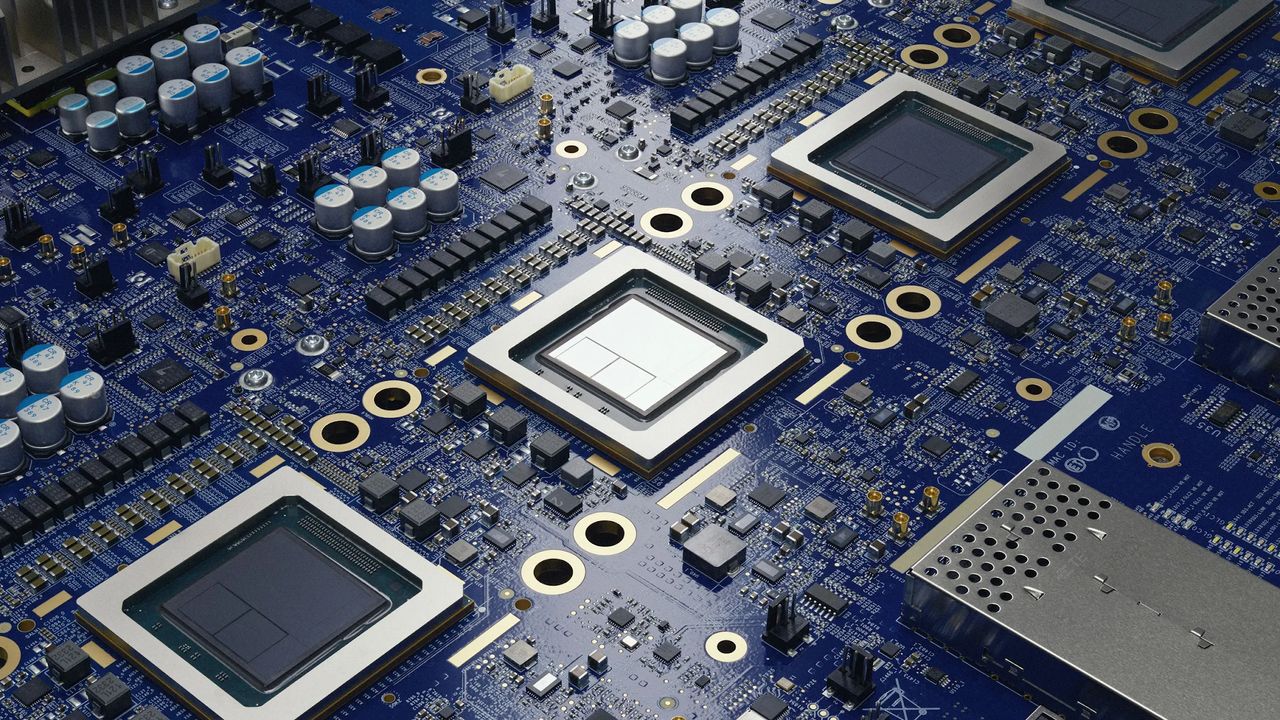
Google has reportedly selected Intel's Embedded Multi-die Interconnect Bridge (EMIB) packaging technology for its upcoming 9th-generation Tensor Processing Units (TPUs), codenamed Humufish. This move suggests a potential shift away from Taiwan Semiconductor Manufacturing Company's (TSMC) Chip-on-Wafer-on-Substrate (CoWoS) packaging. The decision highlights Intel's EMIB as an attractive alternative for chip designers facing constraints with TSMC's CoWoS. It remains to be seen if Google's alleged decision will influence other companies to consider Intel's packaging solutions. The choice indicates a growing demand for advanced packaging technologies that can meet the increasing complexity and performance requirements of AI accelerators like TPUs. Intel's EMIB technology offers a different approach to chip integration, potentially providing advantages in terms of cost, performance, or supply chain flexibility. This development underscores the dynamic nature of the semiconductor manufacturing landscape, where competition among foundries and packaging providers is intensifying.
Google's reported preference for Intel's EMIB packaging over TSMC's CoWoS for its next-generation TPUs signals a strategic diversification in semiconductor supply chains. This decision, if confirmed, could reflect a broader industry trend of mitigating risks associated with reliance on a single dominant foundry. Advanced packaging solutions like EMIB are becoming critical enablers for high-performance computing, particularly in AI, as they allow for the integration of multiple chiplets. The competitive landscape for advanced packaging is evolving rapidly, with companies like Intel seeking to leverage their integrated device manufacturing capabilities. This situation presents an opportunity for Intel to gain market share and for Google to potentially optimize its hardware development by accessing alternative, competitive packaging technologies. The long-term implications will depend on the performance, cost-effectiveness, and scalability of Intel's EMIB compared to TSMC's offerings, and whether this choice signals a sustained shift in the high-end semiconductor ecosystem.
AI-generated to prompt reflection — not editorial opinion, not advice, not a statement of fact. How this works.