Google Reverses AI Photo Editing Feature Amid Misinformation Concerns
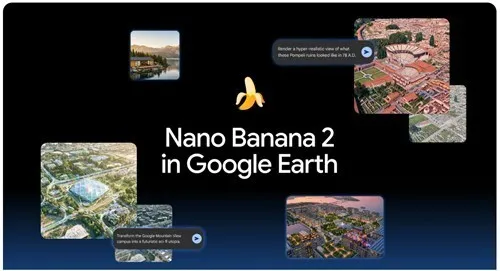
Google has quickly withdrawn a new artificial intelligence-powered feature that allowed users to edit aerial and satellite imagery. The company decided to pull the tool just one day after its announcement, citing concerns about the potential for the technology to spread misinformation. This rapid reversal highlights the challenges and ethical considerations surrounding the deployment of advanced AI tools, particularly those that can alter visual representations of reality. The decision suggests a heightened awareness within Google of the risks associated with AI-generated content and its impact on public trust. Further details regarding the specific mechanisms or potential misuse scenarios that triggered the withdrawal have not been fully disclosed. The incident underscores the ongoing debate about responsible AI development and the need for robust safeguards against deceptive content. Google's action reflects a cautious approach to rolling out powerful AI capabilities that could be easily exploited.
Google's swift retraction of its AI-powered aerial and satellite photo editing tool, implemented within a day of its announcement, underscores the inherent tension between technological innovation and the potential for misuse. The company's stated concern over misinformation points to a critical governance challenge: ensuring that powerful generative AI capabilities do not undermine the veracity of visual information. This incident highlights the need for sophisticated content authentication mechanisms and robust ethical frameworks to precede the public release of such technologies. As AI becomes more adept at manipulating visual data, the societal reliance on verifiable imagery could be tested, necessitating proactive strategies to maintain trust and combat digital deception in the coming decade.
AI-generated to prompt reflection — not editorial opinion, not advice, not a statement of fact. How this works.