Google's AI Data Center in Austria: Local Impact of the Tech Boom
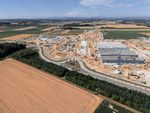
Google is constructing one of Europe's largest data centers in Kronstorf, Upper Austria, highlighting the tangible infrastructure demands of the artificial intelligence boom. This development serves as a case study on the physical implications of AI hype, particularly concerning land use, energy consumption, and water resources.
The project raises questions about the benefits and drawbacks for the local region. While the data center represents a significant investment and potential for technological advancement, it also necessitates substantial resources. The scale of the facility underscores the growing need for physical infrastructure to support the digital economy, moving beyond abstract discussions of AI's potential to concrete environmental and resource considerations.
The construction of large-scale data centers like Google's facility in Kronstorf exemplifies the significant physical footprint required to power the digital revolution. This trend highlights a critical tension between the abstract promise of AI and the very real demands on terrestrial resources such as land, electricity, and water. As AI adoption accelerates globally, understanding and managing these resource dependencies will be crucial for sustainable development. Future planning must proactively address the long-term environmental impact and equitable distribution of benefits and burdens associated with such essential digital infrastructure.
AI-generated to prompt reflection — not editorial opinion, not advice, not a statement of fact. How this works.