Google's Kronstorf Expansion May Require 4.4 TWh Annually, Sparking Environmental Review Debate
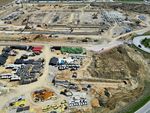
Google's potential expansion in Kronstorf, Austria, has raised concerns regarding its significant energy demands. The proposed development could require as much as 4.4 terawatt-hours (TWh) of electricity per year. This substantial energy requirement has prompted political action, with the SPÖ and Green parties advocating for a revision of the Environmental Impact Assessment (UVP) law. They believe the current legislation may not adequately address the scale of such industrial energy consumption. In response to these developments and potential environmental impacts, a demonstration has been scheduled for Friday afternoon. The protest is expected to voice public concerns about the project's energy footprint and its implications for the region.
The proposed expansion of Google's Kronstorf facility highlights a growing tension between technological advancement and environmental sustainability, particularly concerning energy consumption. The significant energy requirement of 4.4 TWh per year underscores the immense power demands of large-scale data centers and AI infrastructure. Political calls to revise the Environmental Impact Assessment law suggest a potential inadequacy in current regulatory frameworks to manage the environmental externalities of such major industrial projects. The scheduled demonstration indicates public engagement and a demand for greater transparency and accountability regarding the project's long-term ecological and resource implications. Future considerations should focus on integrating renewable energy sources and optimizing energy efficiency to mitigate the environmental footprint of digital infrastructure.
AI-generated to prompt reflection — not editorial opinion, not advice, not a statement of fact. How this works.