Google's New Smart Speaker Fails to Elevate AI Beyond Basic Functionality
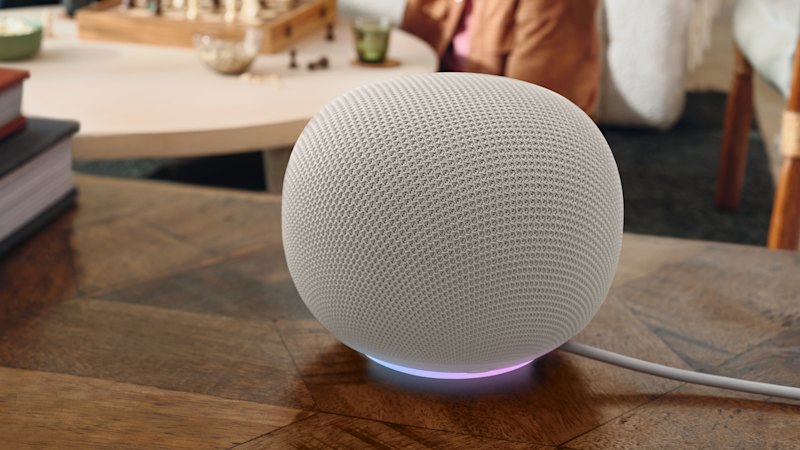
A decade after the introduction of the first Google Home, smart speakers have transitioned from novel technological advancements to commonplace household appliances. The integration of Google's advanced Gemini AI into its latest home speaker has not fundamentally altered this perception. Despite the enhanced artificial intelligence capabilities, the device is presented as failing to offer a significantly more useful or exciting user experience. This suggests that the core functionality and utility of smart speakers have plateaued, regardless of the sophistication of the underlying AI. The article implies that simply incorporating more powerful AI does not automatically translate into a more compelling or innovative product in this category. The evolution of smart speakers has evidently reached a point where incremental AI improvements are insufficient to reignite consumer interest or redefine their role in the home.
The integration of advanced AI like Gemini into consumer electronics, such as Google's new home speaker, highlights a critical juncture in product development. While technological prowess increases, the perceived value to the end-user may not scale proportionally if the core use cases remain unchanged. This situation prompts consideration of how AI can be leveraged to create genuinely novel functionalities rather than merely enhancing existing ones. Future product strategies may need to focus on systemic integration and emergent capabilities that redefine user interaction and problem-solving, moving beyond incremental improvements to established appliance categories. The challenge lies in aligning AI advancements with evolving consumer needs and expectations for truly transformative experiences.
AI-generated to prompt reflection — not editorial opinion, not advice, not a statement of fact. How this works.