Google's sterile mosquito plan: Lessons from Australian trials
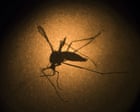
Google's parent company, Alphabet, through its 'Debug' project, is seeking federal approval in the United States to release up to 32 million sterile male mosquitoes in California and Florida. The initiative aims to significantly reduce mosquito populations by leveraging a biological control method. Male mosquitoes do not bite humans or transmit diseases. The strategy relies on these sterile males mating with wild, disease-carrying females. The expected outcome is that the resulting eggs will not hatch, thereby preventing the birth of new mosquitoes and leading to a decline in their numbers. This approach is being presented as a novel solution to mosquito-borne disease control.
The proposed release of 32 million sterile male mosquitoes by Alphabet's Debug project represents a significant technological intervention in public health and environmental management. This strategy, while potentially effective in reducing mosquito populations and associated disease transmission, necessitates careful consideration of ecological impacts and public acceptance. The long-term consequences of altering natural insect populations, even with a targeted approach, warrant thorough scientific scrutiny. Evaluating the cost-effectiveness and scalability of such methods against traditional pest control strategies will be crucial for sustainable implementation. Furthermore, understanding the public perception and ethical considerations surrounding the release of genetically modified or sterilized organisms is vital for the successful deployment of this technology.
AI-generated to prompt reflection — not editorial opinion, not advice, not a statement of fact. How this works.