Google Search Now Offers Step-by-Step Solutions for Complex Math and Science Problems
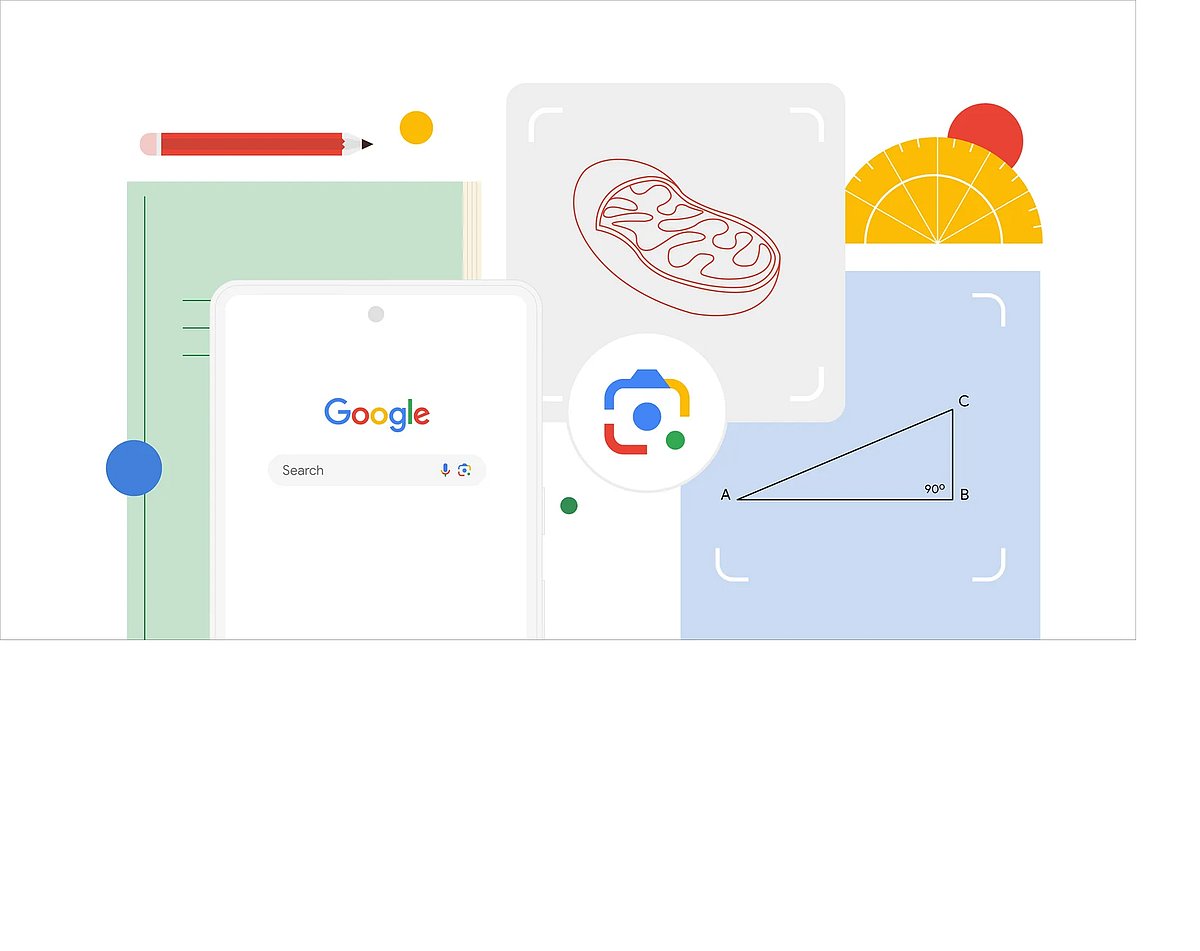
Google Search has expanded its capabilities beyond information retrieval to include providing solutions for complex problems in mathematics, physics, and geometry, a feature many users are unaware of. This functionality, available since 2023, allows students and others to overcome confusion with multi-step problems, particularly in subjects like trigonometry and calculus. Users can input equations directly into the search bar or use Google Lens by taking a picture of the problem to receive step-by-step solutions on both desktop and mobile devices. The integration of large language models enables Google Search to solve written physics problems, helping to identify known and unknown variables and suggesting appropriate formulas. For geometry, which often involves visual elements difficult to describe solely with text, Google Lens can analyze images of shapes like triangles along with provided measurements to generate a complete, step-by-step solution. Additionally, Google Search aids in understanding science and technology concepts through interactive 3D models, allowing users to visualize complex structures such as the folds within a cell's mitochondria. Rob Wong, Google's Product Lead, highlighted that these new features in Search and Lens aim to make STEM subjects more accessible by enabling visualization and a more natural way to find the correct equations.
Google's enhancement of its search engine to provide step-by-step solutions for STEM subjects represents a strategic move to deepen user engagement and solidify its role as an indispensable educational tool. By leveraging advancements in large language models and visual recognition, Google is democratizing access to complex problem-solving, potentially reducing reliance on traditional tutoring or specialized academic resources. This initiative could reshape how students approach learning, emphasizing interactive exploration over rote memorization. However, it also raises questions about the development of critical thinking skills if users become overly dependent on immediate, automated solutions. The long-term impact will depend on how effectively these tools foster genuine understanding and analytical ability, rather than merely providing answers. As AI continues to integrate into educational frameworks, the challenge lies in balancing computational assistance with the cultivation of independent reasoning and problem-solving resilience.
AI-generated to prompt reflection — not editorial opinion, not advice, not a statement of fact. How this works.