GOP Divided Over Trump's Iran Stance
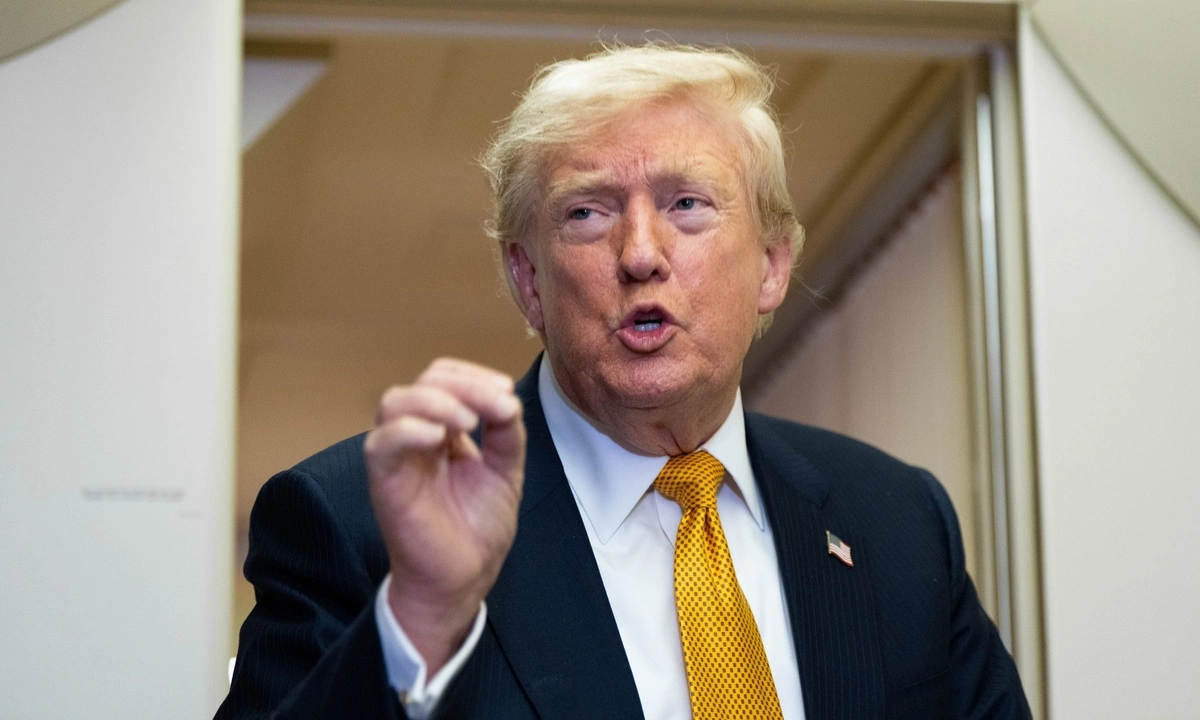
The Republican Party is experiencing internal divisions following President Trump's decision to withdraw from the ceasefire agreement with Iran. This move has placed Republican lawmakers in a difficult position, forcing them to choose between opposing their party's leader or supporting a potentially risky conflict. The original article highlights that this stance is creating a rift within the party, as members grapple with the implications of Trump's foreign policy decision. The core of the issue lies in the conflicting pressures faced by these representatives, who must balance their loyalty to the president with their own assessments of the geopolitical risks involved. The situation underscores a broader trend of internal party disagreements on foreign policy matters, particularly concerning engagement with Iran. The decision has sparked debate among Republicans regarding the best course of action for national security and international relations.
President Trump's decision to withdraw from the Iran ceasefire agreement has exposed a fault line within the Republican party, creating a strategic dilemma for its members. This situation presents a classic case of differing risk assessments and foreign policy philosophies, where adherence to party leadership clashes with concerns over potential geopolitical instability. The long-term implications for Republican foreign policy consensus and the party's ability to present a united front on international relations warrant careful observation. Future policy decisions will likely be shaped by the evolving balance between presidential directives and congressional oversight, influencing the party's approach to global engagement in the coming decade.
AI-generated to prompt reflection — not editorial opinion, not advice, not a statement of fact. How this works.