GOP Senators Hold Out on Todd Blanche AG Nomination Over "Anti-Weaponization Fund" Concerns
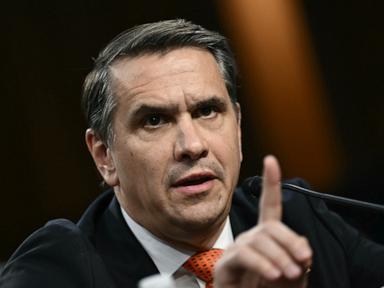
The Attorney General prospects for Todd Blanche are currently uncertain due to opposition from two key Republican senators, John Cornyn and Thom Tillis. Both senators have indicated they are withholding their support pending definitive proof that the "Anti-Weaponization Fund" has been permanently eliminated. This fund, reportedly established by the Biden administration, has become a point of contention for some Republicans who view it as a potential tool for political targeting. Blanche, who has been considered a potential nominee for the Attorney General position, faces an uphill battle to secure the necessary votes if these concerns are not adequately addressed. The stance of Cornyn and Tillis suggests a broader unease within parts of the Republican party regarding the executive branch's use of federal resources. Until Blanche or the administration can provide satisfactory assurances regarding the "Anti-Weaponization Fund," his path to confirmation remains blocked.
The "Anti-Weaponization Fund" controversy highlights a critical tension in American governance: the perceived potential for executive branch overreach and the weaponization of government resources for political ends. Senators Cornyn and Tillis's stance reflects a broader concern among some Republicans about the accountability and transparency of federal spending, particularly when such funds could be interpreted as having partisan applications. This situation underscores the challenges inherent in bipartisan consensus-building, where specific policy mechanisms can become significant hurdles to otherwise agreeable appointments. Looking ahead, the resolution of this dispute could set a precedent for how future funding initiatives are scrutinized and debated, emphasizing the need for clear legislative oversight and public trust in the impartiality of government operations. The incentive structure for senators involves balancing party priorities with their constitutional duties of advice and consent, creating a dynamic where specific policy concerns can derail broader political objectives.
AI-generated to prompt reflection — not editorial opinion, not advice, not a statement of fact. How this works.