Gorgon Heads Found in Etruscan-Roman Sanctuary
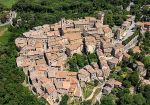
Researchers in San Casciano dei Bagni, Tuscany, have uncovered the roof decoration of a large temple for the first time. The bronze findings indicate that the cult site was more extensive than initially believed. The discovery sheds new light on the religious practices and architectural scale of the Etruscan-Roman period in the region. The unearthed artifacts are crucial for understanding the sanctuary's original appearance and function. This excavation marks a significant step in revealing the hidden history of this ancient site. The team is continuing their work to fully understand the scope and significance of the findings. Further analysis of the bronzes is expected to provide more details about the craftsmanship and the people who used the sanctuary. The ongoing research aims to reconstruct the historical context of this important archaeological discovery.
The discovery of Gorgon heads and extensive bronze artifacts at the San Casciano dei Bagni sanctuary offers a tangible connection to the religious and architectural practices of the Etruscan-Roman era. This finding challenges prior assumptions about the site's scale, suggesting a more significant center of worship than previously understood. The presence of such elaborate decorations implies substantial investment and importance attributed to this cult place. Future research will likely focus on the socio-economic factors that supported such construction and the specific ritualistic purposes of these bronzes. Understanding the evolution of this sanctuary over time could provide insights into the cultural exchanges and power dynamics of ancient Italy, particularly as the region transitioned between Etruscan and Roman influence.
AI-generated to prompt reflection — not editorial opinion, not advice, not a statement of fact. How this works.
