Gospel Singer Recounts 15 Years of Crack Addiction and Finding Salvation Through Music
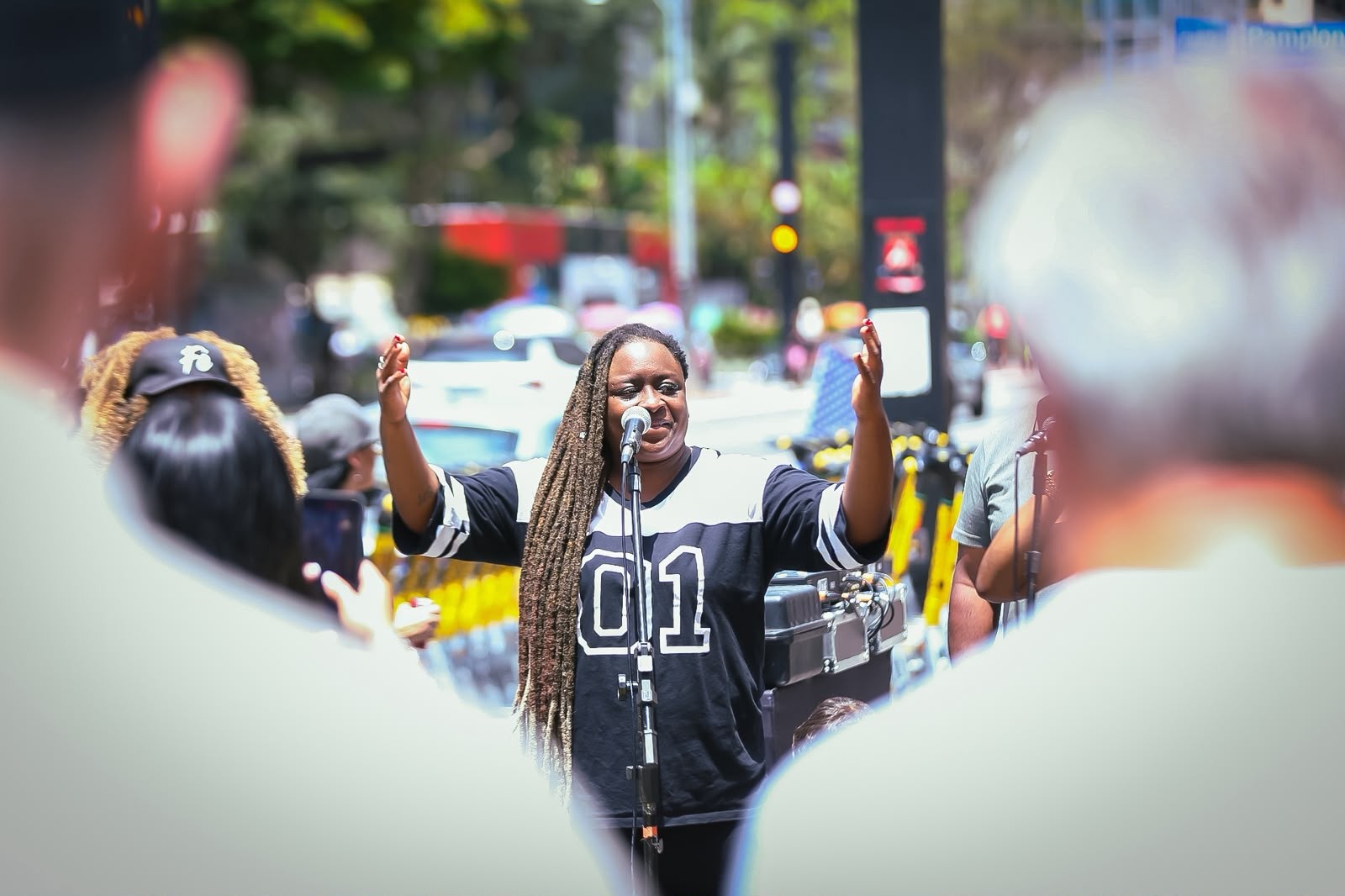
Kathleen Fontoura, a 40-year-old gospel pagode singer from São Paulo, has shared her remarkable story of overcoming 15 years of crack cocaine addiction, during which she lived on the streets and experienced profound dehumanization. She vividly recalls being called "trash" and spat upon by passersby in São Paulo's Cracolândia, a notorious area for drug use. Fontoura described feeling utterly worthless and believing she would die in such a state, but found solace in her faith, believing God saw her as precious. Music, particularly gospel pagode, has become a vital tool for her to express her spiritual journey and recovery. She credits divine intervention for helping her through the darkest times, enabling her to rise above severe abuse, sleeping in cemeteries, and selling all her possessions to fund her addiction. Fontoura's journey began in Ribeirão Preto and later São Paulo, where music was a childhood passion, influenced by artists like Sandy & Junior and later gospel singers. A move to Fernandópolis during her adolescence exposed her to greater freedom and a social circle that introduced her to alcohol, cigarettes, and marijuana, eventually leading to harder drugs, including her first experience with crack cocaine at a party. Initially, crack was not a daily necessity, but after returning to São Paulo and working as a temporary PM soldier, a painful breakup led her to use crack as an emotional escape. This reliance grew insidiously, transforming her life until she was completely consumed by the addiction, despite a friend's warning that she would end up like the homeless drug users. She recounts spending six days straight in her car, consumed by the drug, and selling everything, including parts of her car, to sustain her habit. A subsequent attempt to escape her addiction by moving to Rio de Janeiro proved unsuccessful, as she quickly found a drug scene there and lived in a makeshift shelter for nine days. Returning to São Paulo, she intended to rebuild her life but was drawn back into addiction after encountering a group using crack. This led her to Cracolândia, where she was struck by the open drug use and sense of community among users, which she perceived as a perverse form of acceptance. During her first nine days in Cracolândia, her mother found her, a moment of profound confrontation that deeply impacted Fontoura, especially learning her mother had come to find her despite a broken arm. This reunion was a turning point, though the struggle with addiction continued.
This narrative highlights the powerful interplay between personal resilience, faith, and the transformative potential of artistic expression in overcoming severe addiction. The singer's journey from dehumanizing experiences on the streets to public performance underscores the societal challenge of addressing drug dependency not just as a personal failing, but as a complex issue intertwined with social exclusion and mental health. The analysis of her experience suggests that while individual faith and music can be potent recovery tools, systemic support structures are crucial for individuals navigating such profound life crises. The narrative also implicitly critiques environments like Cracolândia, which, while offering a form of community for users, can also become traps perpetuating cycles of addiction. Future interventions might focus on integrating accessible mental health services, harm reduction strategies, and pathways to stable housing and employment, recognizing that recovery is a multifaceted process requiring both internal fortitude and external support.
AI-generated to prompt reflection — not editorial opinion, not advice, not a statement of fact. How this works.