Governador Valadares' Filadélfia Viaduct Renovation Nears Completion by September 30
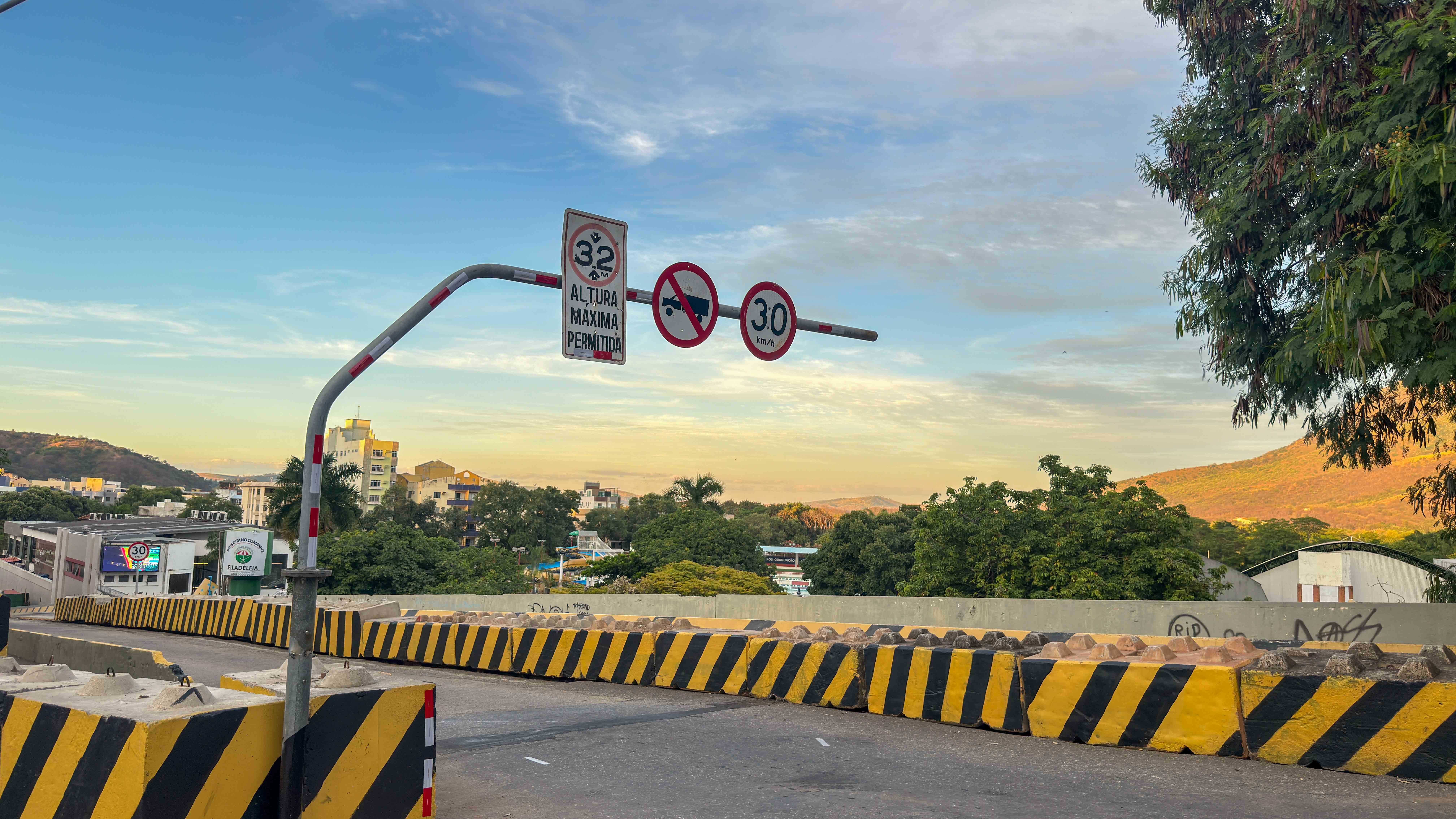
The municipal government of Governador Valadares has announced that the renovation of the Filadélfia Viaduct is scheduled for completion by September 30. The project commenced after a technical assessment identified an imminent risk of structural collapse, leading to a partial closure of the viaduct since May. Currently, the work is in its second phase, focusing on 'grauteamento,' a technique involving the injection of high-strength concrete to reinforce the pillars. This process is crucial for enhancing the viaduct's structural integrity and extending its lifespan.
Different sections of the viaduct are at varying stages of repair due to the distinct conditions of each pillar. Following the reinforcement phase, a 'macaqueamento' procedure will be performed, which involves lifting the structure for final adjustments. Concurrently, repairs to the guardrail, the upper surface, painting, and other project-specified maintenance are being carried out. The viaduct, connecting the Esplanada and Esplanadinha neighborhoods, initially showed structural issues in February 2024, leading to a partial traffic restriction. By March 2025, it was fully closed to all traffic after a technical report highlighted the risk of collapse, citing issues like concrete deterioration, rebar corrosion, and compromised support pillars. The closure also impacted traffic on Avenida Brasil beneath the structure. The renovation, which began in late February with an estimated cost of R$1.7 million and a 90-day completion target, saw partial reopening for cars and motorcycles in May after the first phase. Heavy vehicles, however, remain prohibited, with full traffic restoration contingent on the completion of all renovation stages by the end of September.
The Filadélfia Viaduct's extensive repair project highlights the critical infrastructure challenges faced by municipalities in maintaining aging public works. The delay from an initial 90-day estimate to a September 30 completion, alongside a significant budget, suggests complexities in assessing and executing structural repairs. This situation underscores the importance of proactive, ongoing infrastructure monitoring and maintenance programs to prevent minor issues from escalating into costly and disruptive emergency interventions. Future planning should consider integrating advanced diagnostic technologies and resilient design principles to mitigate risks associated with structural degradation, ensuring public safety and minimizing traffic disruptions in urban centers.
AI-generated to prompt reflection — not editorial opinion, not advice, not a statement of fact. How this works.
