Governador Valadares: Over 193,000 Eligible Voters for 2026 Elections
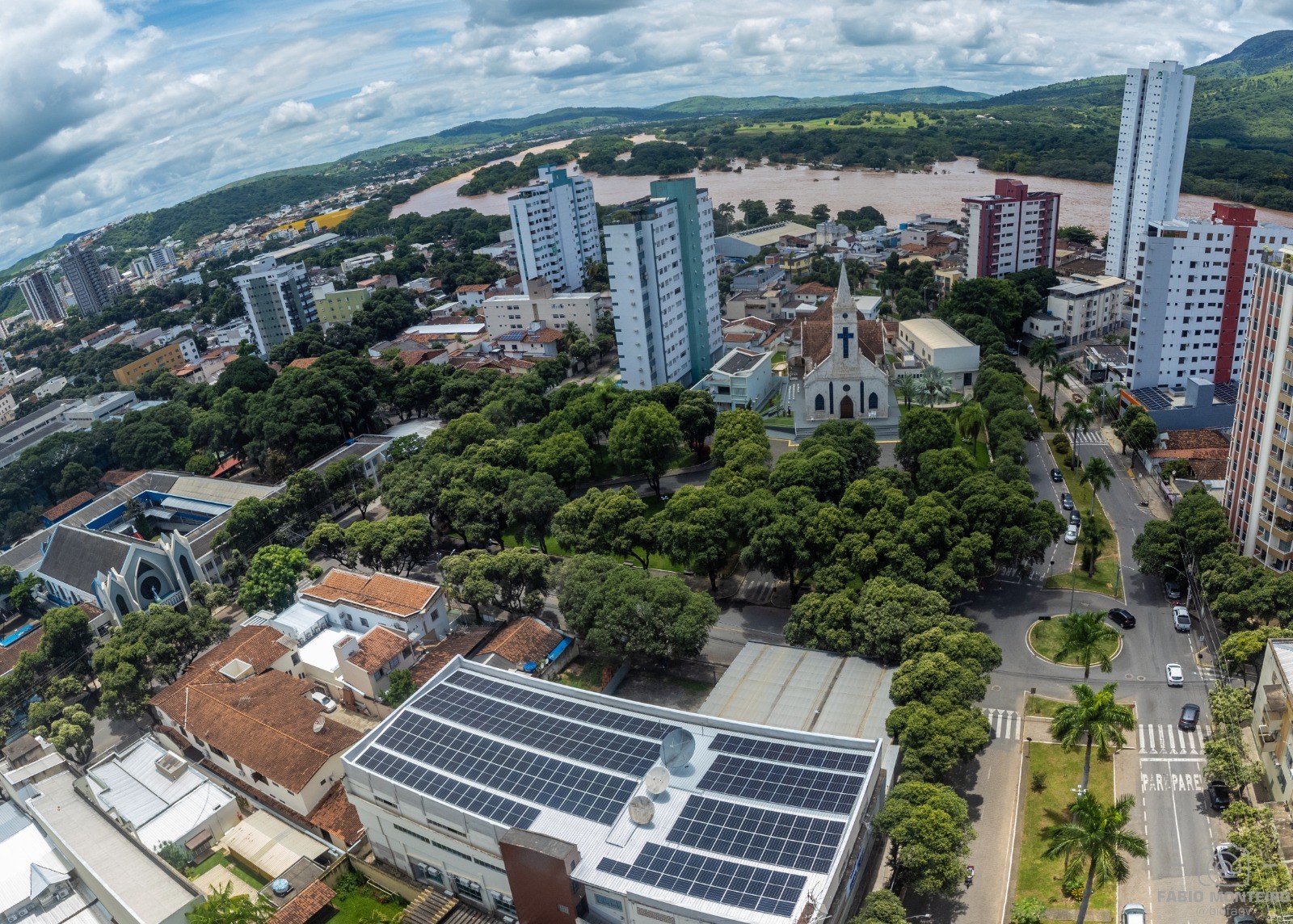
In Governador Valadares, Brazil, 193,351 individuals are eligible to vote in the 2026 general elections, according to data released by the Superior Electoral Court (TSE) on Monday, May 20th. This number positions the city as having the ninth-largest electorate in the state of Minas Gerais. The upcoming elections, scheduled for October 4th with a potential second round on October 25th, will involve voting for the President, 27 governors, 54 senators, and federal, state, and district deputies.
Analyzing the electorate's profile, 55% of voters in Governador Valadares are female, mirroring the national trend where women constitute the majority of voters. The largest age group among eligible voters in the city is between 45 and 49 years old, with 18,687 individuals. Educational attainment varies, with the largest segments holding complete high school education (60,107) or complete higher education (29,061). A significant portion, 39,648, has incomplete elementary education.
The TSE clarifies that voting is mandatory for citizens over 18 and optional for those who are illiterate, aged 16-17, or over 70. Failure to vote without justification can lead to penalties, including fines and restrictions on obtaining official documents or public employment. Justification can be made via the e-Título app on election day or within 60 days post-election without a fine, though a form must be submitted. After 60 days, fines will be applied, potentially increasing based on the voter's economic situation, though poverty declarations may exempt individuals.
The Superior Electoral Court's release of detailed voter demographics for the 2026 elections provides a granular view of civic participation readiness. This data allows for sophisticated analysis of electoral landscapes, enabling campaigns and policy analysts to understand voter distribution by gender, age, and education. The TSE's framework for mandatory versus optional voting, alongside its penalty structure for non-compliance, highlights a system designed to maximize electoral engagement, reflecting a societal value placed on broad participation. However, the tiered penalty system and its potential economic impact warrant consideration regarding equitable access and the potential for disproportionate effects on lower-income citizens. Future electoral systems may need to balance participation mandates with accessibility and fairness, especially as digital engagement platforms evolve.
AI-generated to prompt reflection — not editorial opinion, not advice, not a statement of fact. How this works.