Government Approves Regional Debt Relief, But Budget Talks Stall
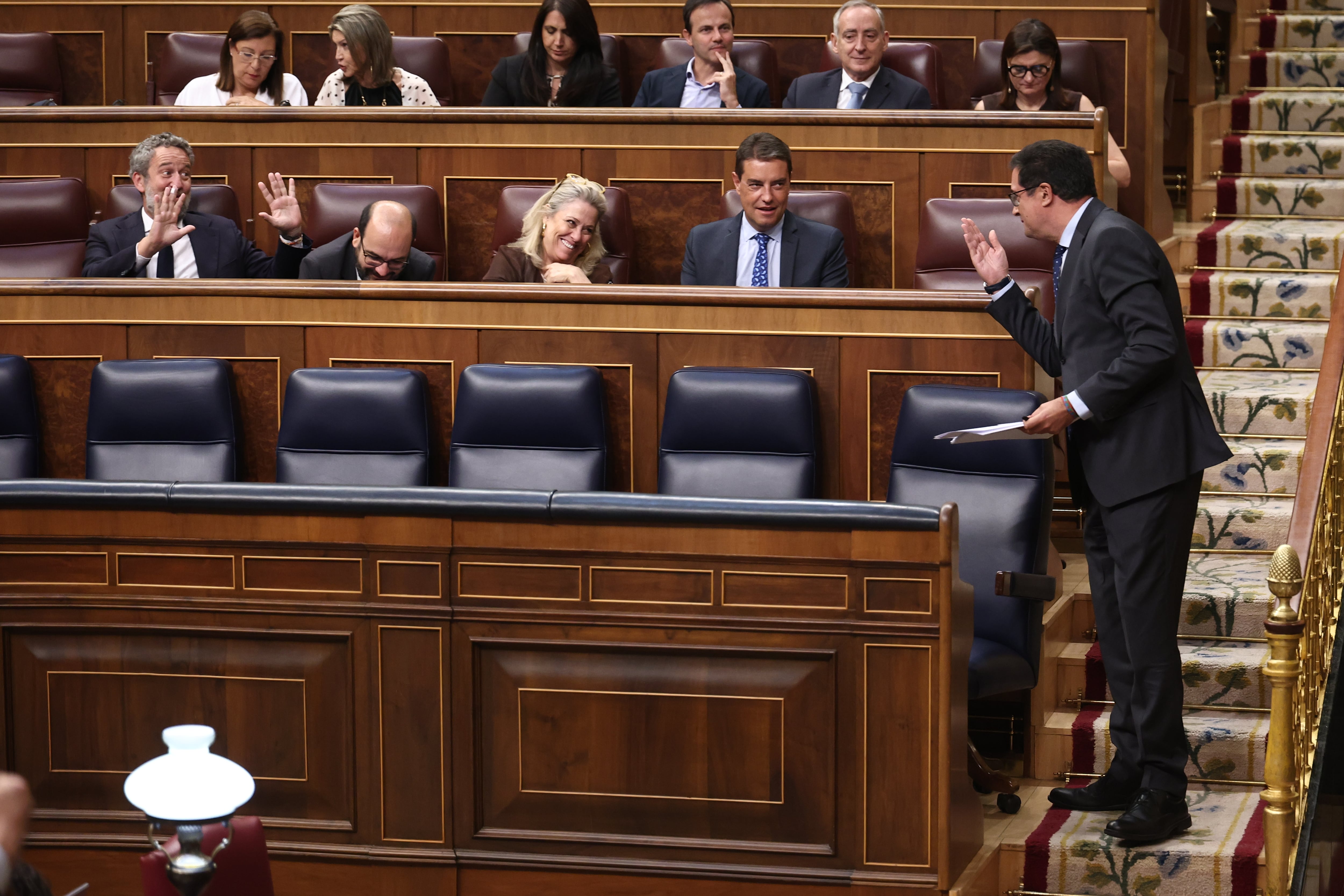
The parliamentary session concluded with the approval of three laws, two decrees, and a reform of parliamentary rules. A significant achievement was the government's success in securing approval for regional debt relief, a measure that averts immediate fiscal crisis for several autonomous communities. However, this legislative success did not translate into progress on the broader national budget. Negotiations surrounding the national budget remain stalled, indicating significant challenges in reaching consensus among political factions. The government managed to pass the debt relief package, which is crucial for the financial stability of the regions, but the inability to advance the budget highlights ongoing political divisions. The parliamentary year ended with these mixed results, demonstrating the government's capacity to pass specific legislation while struggling with more comprehensive fiscal planning. The approval of the three laws, two decrees, and the rules reform represent the legislative output for the period, but the unresolved budget issue casts a shadow over future fiscal policy.
The legislative session's outcome highlights a common governance dynamic where targeted, urgent fiscal measures like regional debt relief can gain traction, while comprehensive fiscal planning, such as national budget approval, faces deeper political fragmentation. This suggests that while immediate crises can be managed through specific legislative actions, systemic fiscal health requires broader political consensus that may be difficult to achieve in the current environment. Looking ahead, the reliance on ad-hoc solutions for regional finances could create future imbalances if not integrated into a stable, long-term national fiscal framework. The inability to pass the budget may signal underlying structural issues in intergovernmental fiscal relations or coalition politics, warranting a review of the legislative processes that govern fiscal policy-making to ensure greater predictability and stability in the coming years.
AI-generated to prompt reflection — not editorial opinion, not advice, not a statement of fact. How this works.