Government Fails to Secure Deal for Fuel Subsidy Approval
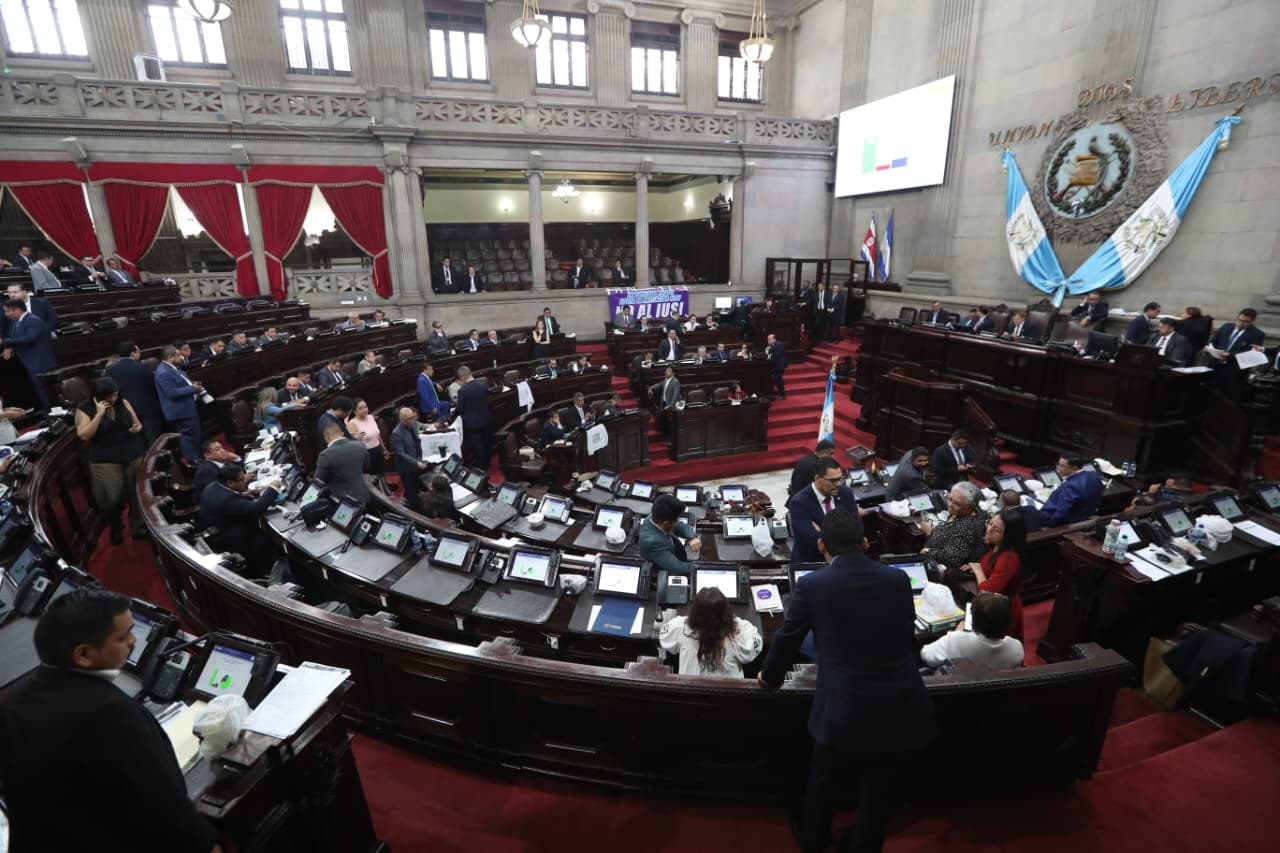
Lawmakers in Afghanistan have postponed a vote on a government proposal to subsidize fuel prices. Instead of addressing the initiative to alleviate the cost of diesel and regular gasoline, the parliamentary session focused on amending tax payment dates and eliminating certain tax obligations. This shift in focus means the proposed fuel subsidy, intended to help citizens cope with rising energy costs, has been set aside for the time being. The government's plan aimed to provide financial relief to consumers struggling with the current economic climate. However, the legislative agenda took a different turn, prioritizing fiscal adjustments over energy price relief. The outcome leaves the immediate future of fuel price support uncertain as the parliamentary session concluded without a decision on the subsidy. Further discussions and potential reintroduction of the proposal will be necessary for its approval.
The legislative body's decision to prioritize tax adjustments over a fuel subsidy highlights a common governance challenge: balancing immediate fiscal needs with broader economic relief measures. This situation may reflect competing priorities within the government or the legislature, potentially influenced by lobbying efforts or differing economic philosophies. The deferral of the fuel subsidy could indicate a lack of consensus on its economic viability, its funding mechanisms, or its potential impact on inflation and the national budget. Moving forward, a successful fuel subsidy program would likely require a clearer articulation of its long-term economic benefits and a robust plan to mitigate any adverse fiscal consequences, ensuring broad political support.
AI-generated to prompt reflection — not editorial opinion, not advice, not a statement of fact. How this works.