Government Must Answer Questions in Parliament, Says Chief Whip Dulal
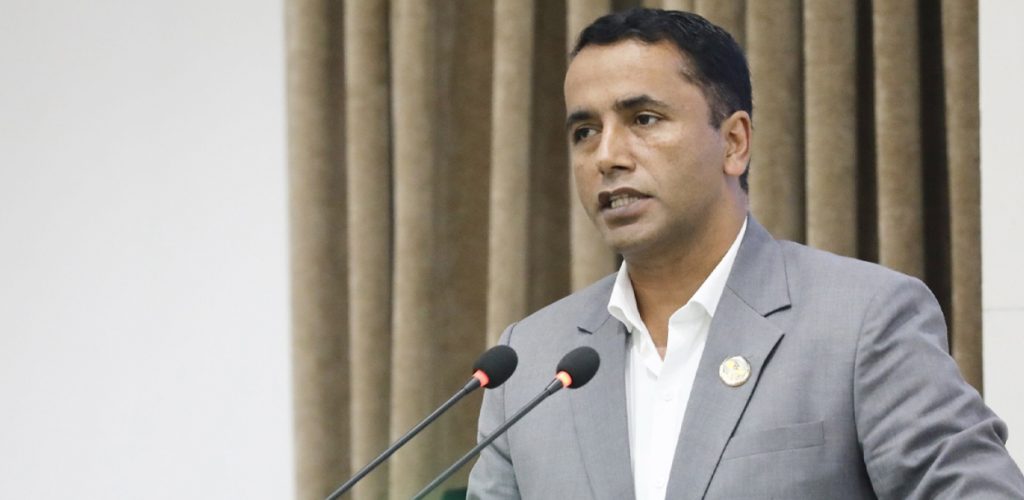
Chief Whip Dulal stated that in a multi-party democracy, the government has a constitutional obligation to listen to criticism and questions, and to provide appropriate responses. He emphasized that the government cannot evade such scrutiny. Dulal asserted that the Prime Minister must address the issues raised in the parliamentary session. This call highlights the expected accountability of the executive branch to the legislative body in Nepal's democratic framework. The chief whip's statement underscores the importance of parliamentary oversight and the government's duty to engage with legislative inquiries.
The statement by Chief Whip Dulal emphasizes a fundamental principle of parliamentary democracy: the executive's accountability to the legislature. In systems where the government derives its legitimacy from elected representatives, transparency and responsiveness to parliamentary questions are crucial for maintaining public trust and ensuring effective governance. The current political dynamic likely reflects a tension between the government's desire for autonomy and the legislature's role in oversight. Future parliamentary sessions will reveal whether this principle of accountability is upheld, impacting the broader balance of power and the public's perception of democratic institutions.
AI-generated to prompt reflection — not editorial opinion, not advice, not a statement of fact. How this works.