Government Rules Out Further Fuel Subsidies Amid Rising Prices
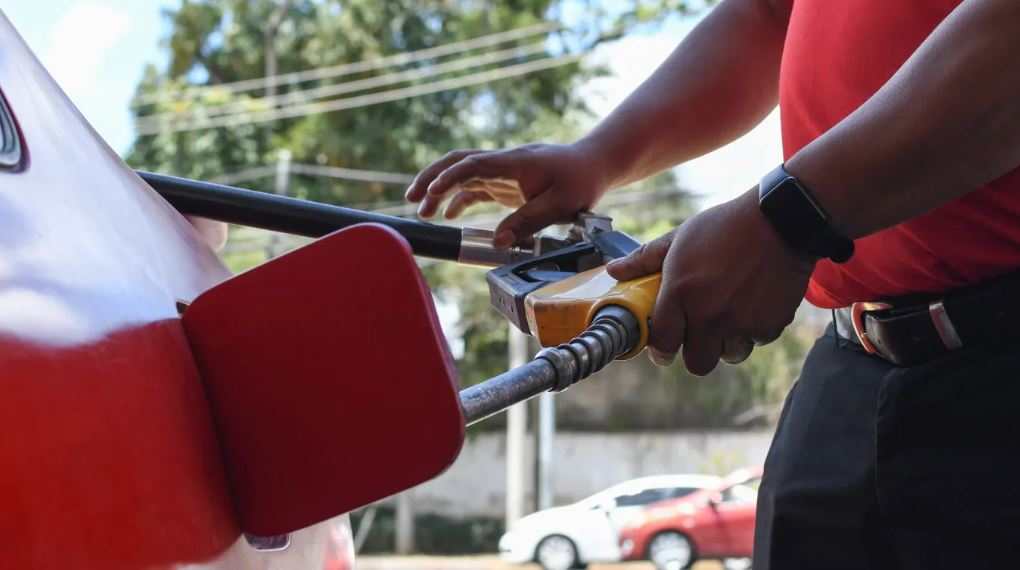
The government has stated that it does not currently plan to implement another subsidy for fuels, despite ongoing increases in gasoline and diesel prices. These price hikes are attributed to fluctuations in the international market. The temporary subsidy that was previously in place concluded on July 2nd. This indicates a shift away from direct government intervention to cushion consumers from global energy market volatility. The administration's stance suggests a reliance on market mechanisms to dictate fuel costs moving forward. Consumers may face continued pressure on their budgets as fuel prices are expected to remain elevated. The decision not to extend subsidies reflects a potential budgetary constraint or a strategic choice to avoid prolonged market distortion. Further price increases are anticipated if international market conditions do not improve.
The government's decision to forgo further fuel subsidies, citing international market dynamics, reflects a common challenge faced by many nations. While subsidies offer immediate relief to consumers, they can impose significant fiscal burdens and distort market signals, potentially hindering long-term economic efficiency and energy transition efforts. This approach suggests a prioritization of fiscal responsibility over short-term consumer affordability, potentially anticipating that market forces will eventually stabilize prices or that consumers will adapt. The administration's stance may also be influenced by a broader economic strategy aimed at reducing dependency on external price shocks and encouraging domestic energy sector resilience. However, this policy carries the risk of exacerbating cost-of-living pressures for households and businesses, particularly in the medium term, and could impact inflation rates if fuel costs remain high.
AI-generated to prompt reflection — not editorial opinion, not advice, not a statement of fact. How this works.