Government's Arrogance Towards Marginalized Citizens
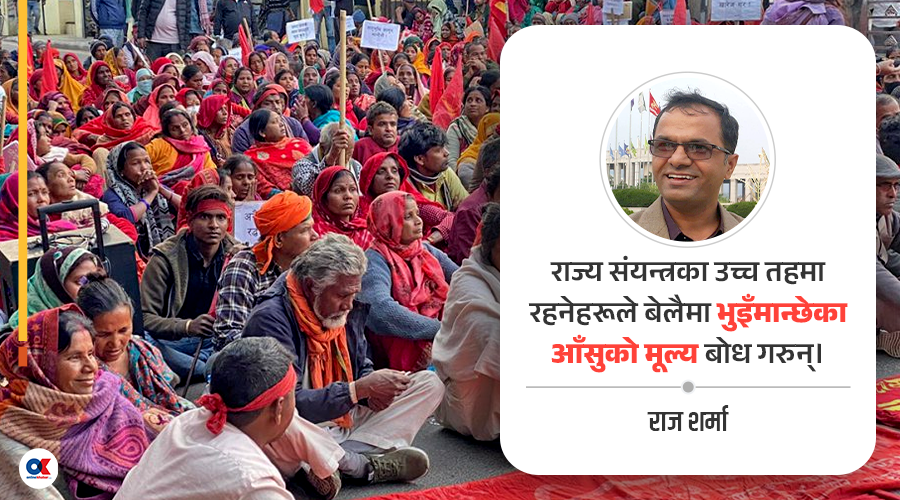
The leadership of Rastriya Swatantra Party (RSP) appears to be retreating from its prior commitments now that it holds the keys to state governance. This shift in stance is being observed by the public as the party assumes its role in the administration. The original promises made by the RSP leadership seem to be diverging from their current actions and priorities. This development raises questions about the party's dedication to its initial platform and its responsiveness to the needs of the citizens it pledged to represent. The situation highlights a potential disconnect between electoral promises and the realities of governing.
The transition from opposition to governing power often presents a significant challenge for political parties, testing their ability to balance campaign promises with the practicalities of administration. When a party assumes control, it must navigate complex policy decisions and stakeholder demands that may differ from the simpler narratives of electoral campaigns. This can lead to perceptions of a retreat from commitments, particularly if the party prioritizes stability or compromise over its original platform. Understanding the incentive structures that drive these shifts is crucial for evaluating the long-term viability of a party's agenda and its impact on public trust. The coming years will reveal whether this recalibration serves to strengthen governance or alienate the very constituents the party sought to champion.
AI-generated to prompt reflection — not editorial opinion, not advice, not a statement of fact. How this works.