Government's E20 Fuel Push: Ignoring Middle Class Concerns Amidst Protests?
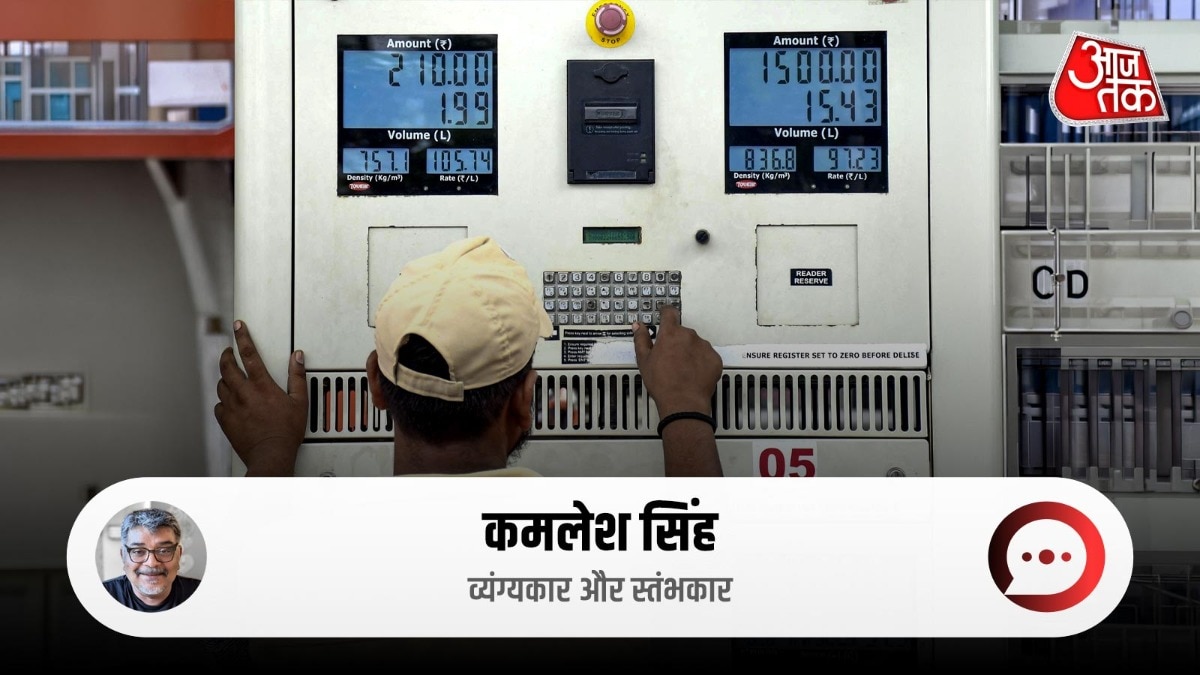
A recent protest, described as reminiscent of Gen-Z movements, has highlighted public dissatisfaction, with the government seemingly responsive to loud demonstrations. However, the article questions whether the government, in its haste to implement E20 fuel, is truly listening to the quiet concerns of the common citizen. While the E20 initiative may achieve energy security goals, it risks damaging older vehicle engines and eroding the trust of the middle class. The author contrasts the visible impact of street protests with the less vocal, yet significant, daily struggles of individuals at the petrol pump. The piece implies that the government's focus on appeasing vocal protestors might overshadow its responsibility to address the widespread, everyday financial burdens faced by ordinary citizens due to fuel policies.
The E20 fuel policy appears to be a strategic move towards energy security, potentially driven by national objectives and global energy transitions. However, the implementation raises questions about the equitable distribution of benefits and burdens across different socioeconomic groups. The policy's rapid rollout, while meeting certain targets, may create unintended consequences for existing infrastructure and consumer costs, particularly impacting the middle class and owners of older vehicles. This situation underscores a common governance challenge: balancing macro-level policy goals with micro-level impacts on individual citizens. Future policy design could benefit from more robust impact assessments and phased implementation strategies that incorporate feedback mechanisms for diverse stakeholder groups, ensuring that energy transition goals do not disproportionately burden vulnerable populations or create significant economic friction.
AI-generated to prompt reflection — not editorial opinion, not advice, not a statement of fact. How this works.