Government Seeks Consensus for Seed Law Reform and International Treaty Adherence
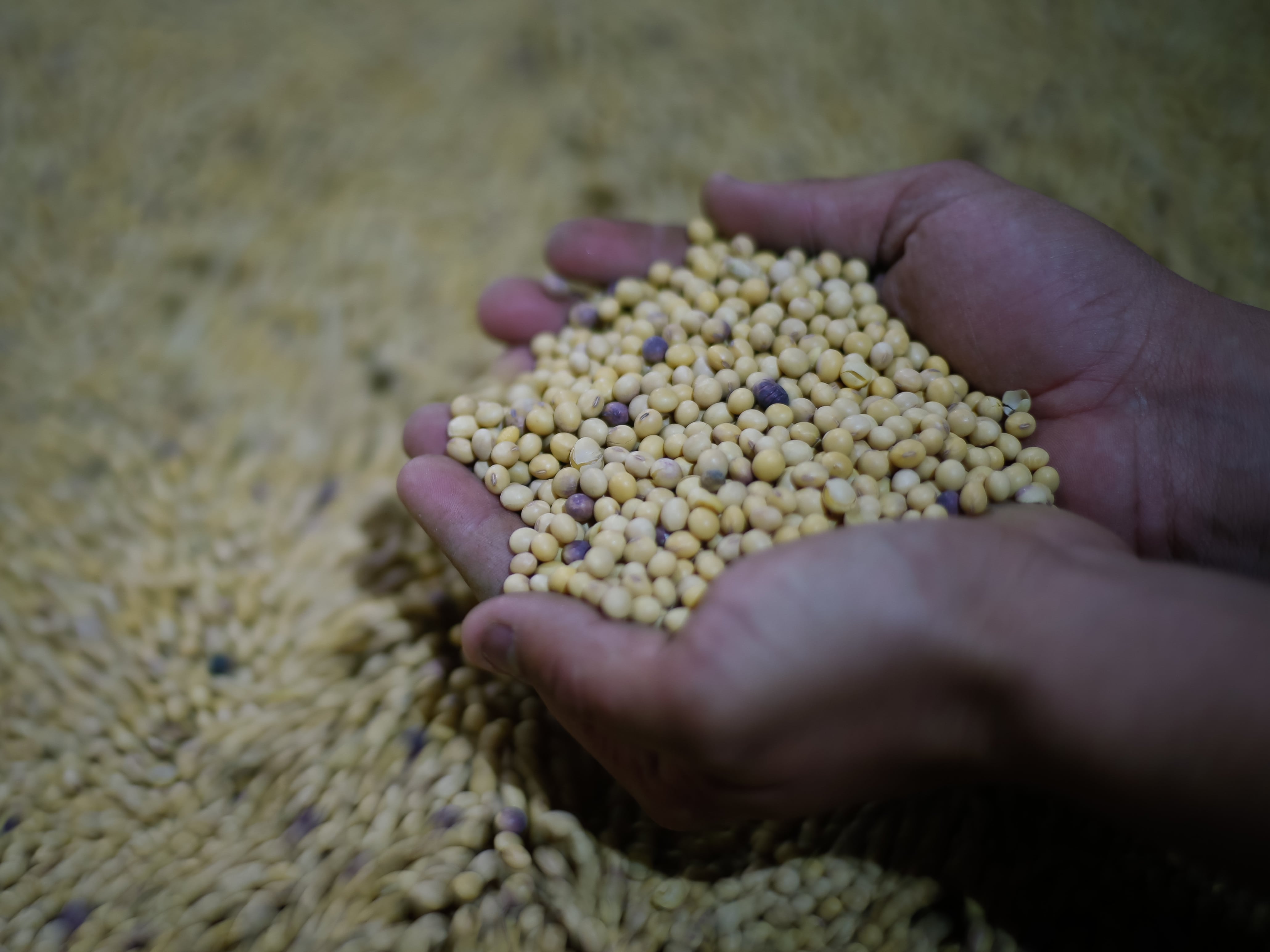
The Argentine government is initiating efforts to reform the seed law and is committed to adhering to an international treaty. To this end, a meeting has been scheduled for the 14th of the current month. This meeting will bring together various agricultural entities and seed companies to foster consensus on the proposed reforms. The objective is to modernize the legal framework governing seeds, which is crucial for agricultural productivity and innovation. Adherence to an international treaty signifies Argentina's intent to align its seed policies with global standards, potentially facilitating international trade and technological exchange. The agricultural sector, a cornerstone of the Argentine economy, is expected to play a key role in shaping the new legislation. Discussions will likely focus on intellectual property rights for plant varieties, seed certification, and the promotion of sustainable agricultural practices. The government aims to create a more robust and predictable environment for seed development and distribution.
The Argentine government's move to reform its seed law and pursue international treaty adherence reflects a strategic alignment with global agricultural governance trends. This initiative aims to balance the interests of domestic producers, seed developers, and international standards, potentially impacting agricultural innovation and market access. The success of this reform will hinge on its ability to foster a consensus among diverse stakeholders, including large agricultural corporations and smaller local entities, while navigating the complex landscape of intellectual property rights and biodiversity conservation. Future-proofing this legislation will require considering the long-term implications of technological advancements in seed science and their integration into sustainable agricultural systems, ensuring equitable benefits across the value chain.
AI-generated to prompt reflection — not editorial opinion, not advice, not a statement of fact. How this works.