Governors Stitt and Moore Blame Partisan Primaries for Political Extremism
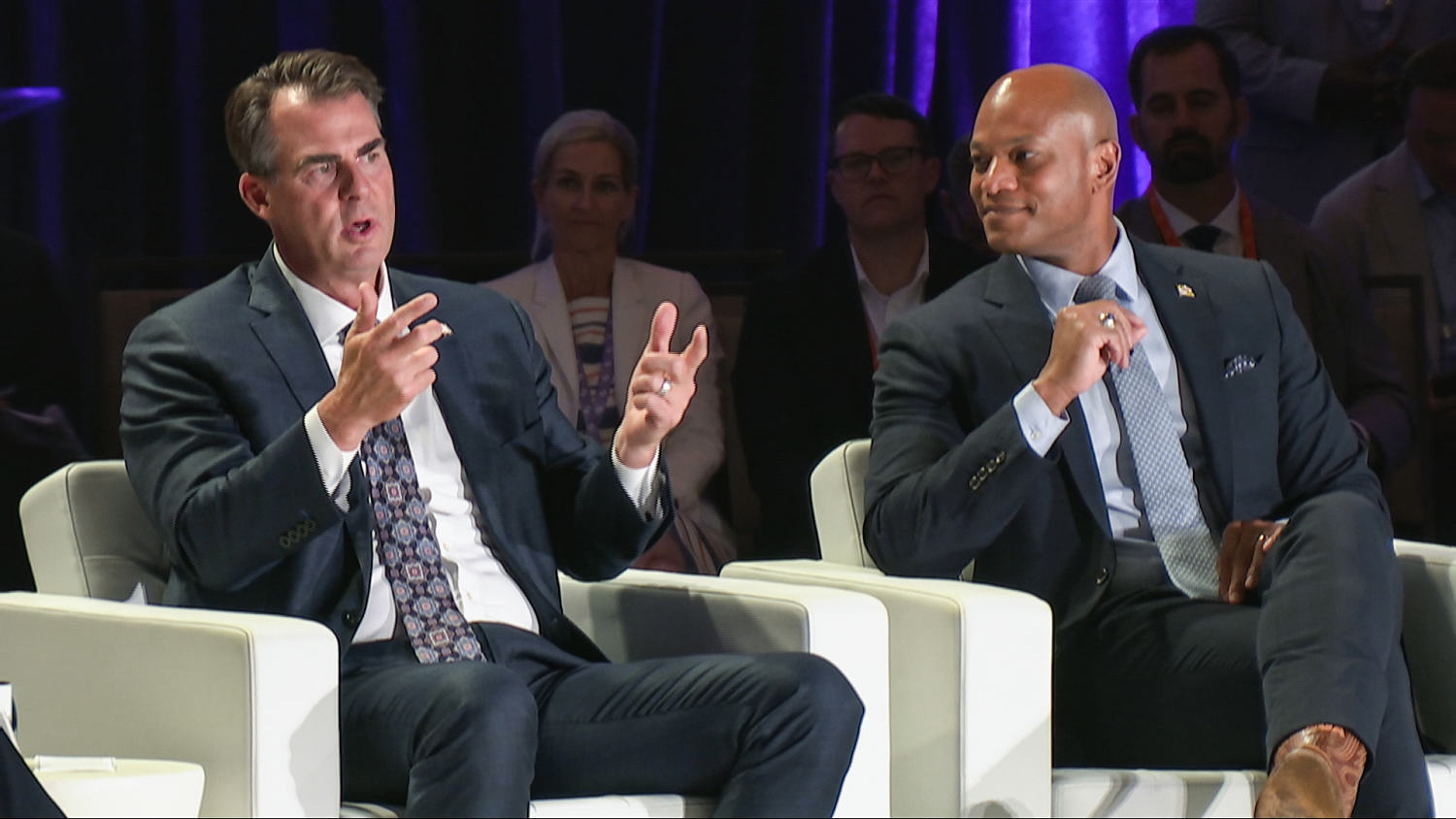
Oklahoma Governor Kevin Stitt and Maryland Governor Wes Moore have identified partisan primary elections as a significant driver of political polarization and extremism in the United States. Speaking on Friday, the Republican and Democratic governors jointly argued that the current primary system incentivizes candidates to adopt more extreme positions to appeal to a narrower, more ideologically driven base. This, they contend, makes it harder to find common ground and govern effectively once candidates reach the general election. Both leaders expressed a desire to restore a sense of "dignity" to political discourse and governance. They suggest that the focus on partisan loyalty within primaries detracts from the broader goal of serving all constituents and finding bipartisan solutions. The governors' remarks highlight a growing concern among some political figures about the health of democratic dialogue and the increasing difficulty of achieving consensus in a hyper-partisan environment.
The assertion by Governors Stitt and Moore points to a structural dynamic within electoral systems that may exacerbate partisan division. Primary elections, often characterized by lower turnout and a more engaged, ideologically committed electorate, can create incentives for candidates to cater to the extremes of their party's base. This can lead to a general election field where candidates are less inclined towards compromise, potentially hindering bipartisan cooperation and effective governance. The governors' call for "dignity" suggests a perceived decline in the quality of political discourse, possibly linked to the pressures of primary campaigning. Examining this through a futurist lens, as artificial intelligence and digital platforms continue to reshape information dissemination and political engagement, understanding these electoral mechanics becomes crucial for fostering more inclusive and less polarized political environments. The challenge lies in balancing the democratic principle of representation with the need for broader consensus-building in an increasingly fragmented political landscape.
AI-generated to prompt reflection — not editorial opinion, not advice, not a statement of fact. How this works.