GPU Prices Remain High Due to AI Demand, Tariffs, and Market Factors
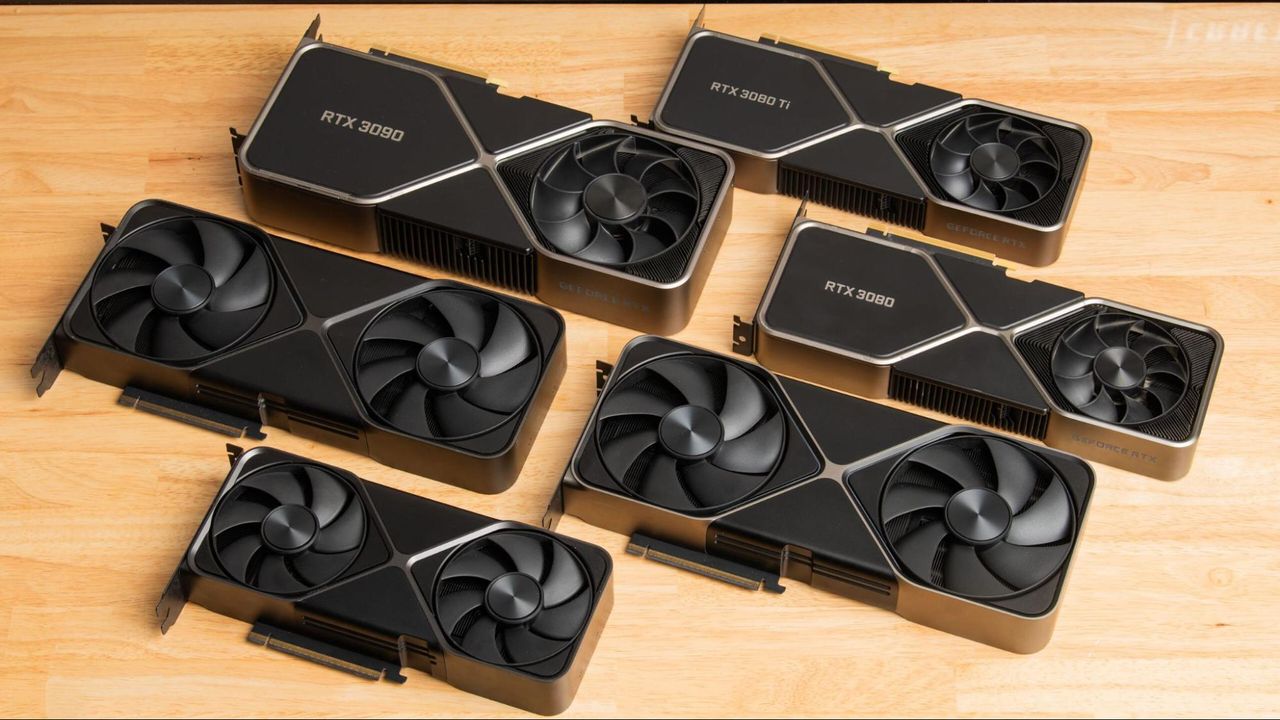
Graphics Processing Unit (GPU) prices for current-generation Nvidia and AMD cards are not dropping as expected, a situation attributed to several converging factors. The surging demand for AI applications has significantly increased the need for high-end GPUs, driving up their cost. Compounding this issue are ongoing tariffs that add to the overall expense of manufacturing and importing these components. Furthermore, market dynamics, potentially including strategic pricing by manufacturers, are also contributing to the sustained high prices. This environment poses a challenge for PC builders and consumers looking to acquire new GPUs at more affordable price points. The question of whether a cheap GPU is still attainable remains a significant concern for many in the market.
The persistent high cost of GPUs reflects a complex interplay of technological advancement, global trade policy, and market economics. The insatiable demand from the AI sector creates a powerful incentive for manufacturers to prioritize high-margin, high-performance cards, potentially at the expense of lower-priced segments. Tariffs introduce an exogenous cost pressure, which can be passed on to consumers or absorbed through reduced margins, influencing strategic decisions. This situation highlights a systemic tension between the democratization of computing power and the economic realities of cutting-edge hardware production and distribution. Future market dynamics will likely depend on the evolution of AI hardware requirements, potential shifts in trade agreements, and the strategic responses of GPU manufacturers to balance diverse market demands.
AI-generated to prompt reflection — not editorial opinion, not advice, not a statement of fact. How this works.
