Graham Platner's Failed Senate Bid Complicates Democratic Chances in Maine
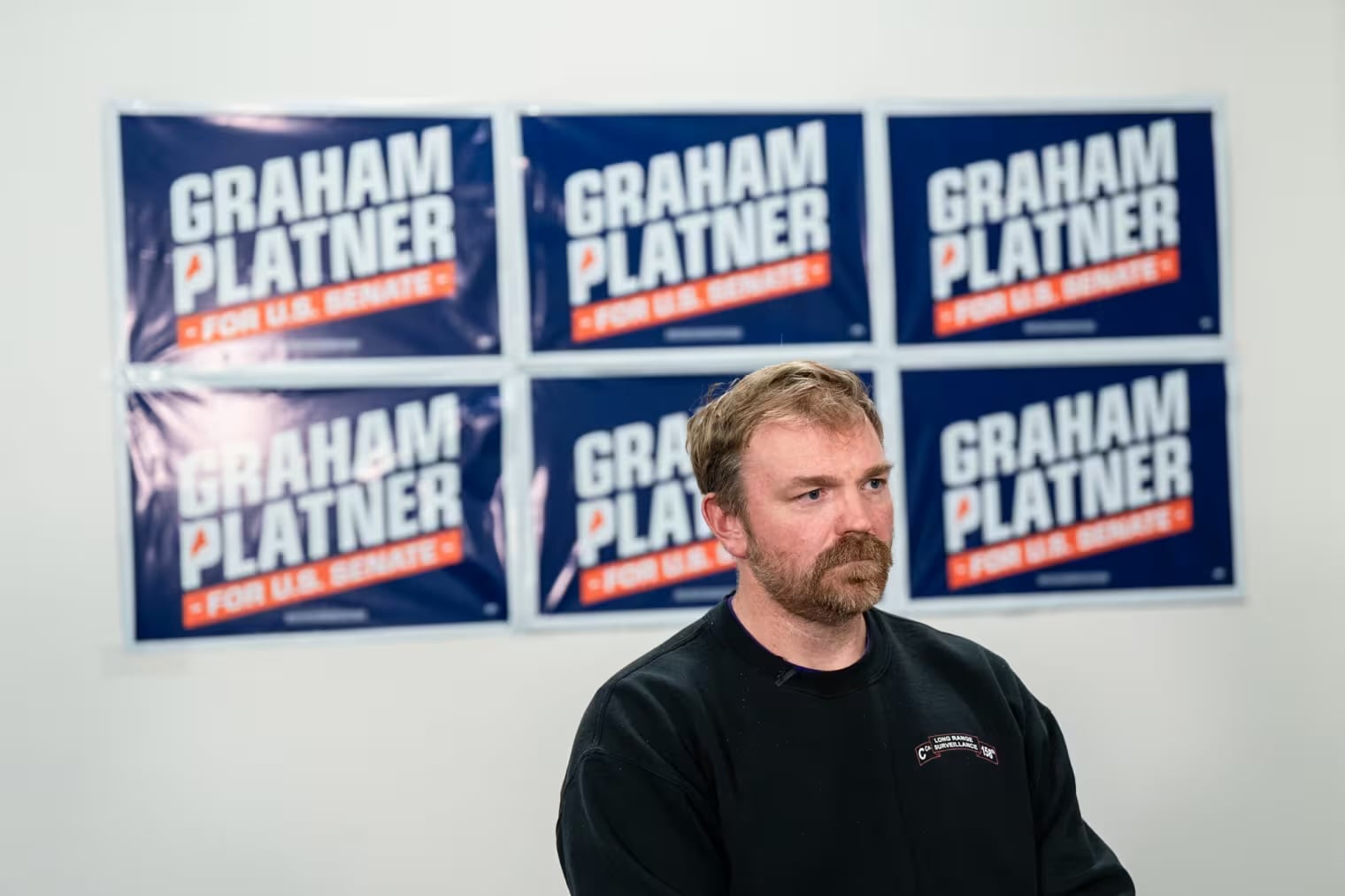
The race for the Senate seat in Maine presented a significant opportunity for the Democratic party, largely due to the potential candidacy of young politician Graham Platner. However, Platner's political aspirations have been derailed by a series of controversies. These issues culminated in an accusation of abuse, which led to his withdrawal from the race. This development significantly complicates the Democratic party's strategy and prospects in the upcoming election. The party had viewed Platner as a promising candidate who could help secure their position in the state. His downfall now leaves a void and presents challenges in finding a suitable replacement who can galvanize voter support. The ramifications of this situation are expected to impact the broader electoral landscape for Democrats in Maine.
The withdrawal of a promising candidate due to personal controversies highlights the inherent risks in candidate selection processes, particularly in closely contested elections. Political parties often face a trade-off between nominating candidates with broad appeal and those with potentially problematic backgrounds. The incident underscores the importance of robust vetting procedures to mitigate reputational damage and electoral setbacks. Looking ahead, the Democratic party in Maine must navigate the strategic implications of this vacancy, potentially re-evaluating their outreach and voter engagement tactics to compensate for the loss of their initial candidate. This situation serves as a case study on the intersection of personal conduct, public perception, and electoral viability in the modern political arena.
AI-generated to prompt reflection — not editorial opinion, not advice, not a statement of fact. How this works.