Gramado Slashes Bus Fares and Adds New Routes to Boost Ridership and Ease Traffic
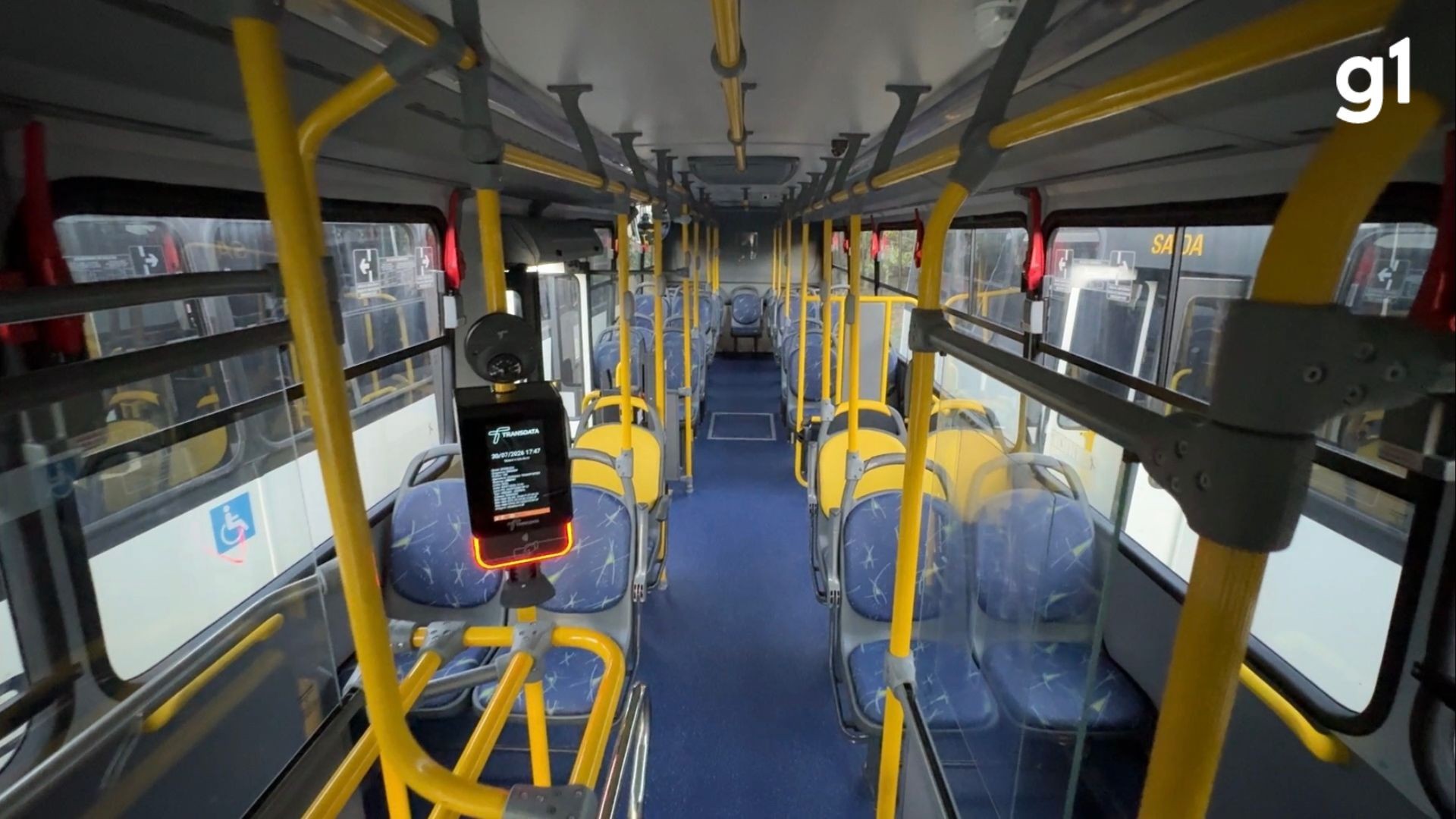
Gramado, a city in Brazil's Serra Gaúcha region, has implemented significant changes to its public transportation system aimed at increasing passenger numbers and alleviating urban congestion, particularly during peak tourist seasons. The initiative includes the introduction of 10 new buses and the expansion of routes to 12, increasing the monthly service coverage from 70,000 to 106,000 kilometers. Crucially, the bus fare has been reduced from R$ 4.90 to R$ 4.00. These adjustments are intended to encourage residents and visitors to utilize public transport more frequently, thereby reducing the number of private vehicles on the road. The municipal Secretary of Public Security and Transit, Tiago Flores Procópio, stated that these measures were designed to counteract a decline in ridership observed post-pandemic. The city currently serves approximately 3,300 passengers daily, with a goal to reach 7,500 daily passengers, which would make the system financially self-sufficient. The new buses are equipped with air conditioning and real-time security cameras, and a mobile application for live vehicle tracking will be available starting in September. Payment options include an electronic transport card, rechargeable online or via Pix, as well as cash payments to the driver. Future plans involve expanding routes and schedules to include tourist attractions like Lago Negro and the city's entrance landmarks.
Gramado's public transit overhaul represents a strategic effort to balance urban mobility, economic viability, and resident quality of life. By reducing fares and enhancing service quality, the municipality aims to shift modal split away from private vehicles, a common challenge in popular tourist destinations. The success of this initiative hinges on sustained ridership growth beyond initial incentives and the effective integration of new technologies like real-time tracking apps. Achieving operational self-sufficiency through increased passenger volume is a critical long-term objective, reducing reliance on public funds and demonstrating the potential for efficient public-private partnerships in urban transit. This approach could serve as a model for other cities grappling with similar traffic and transit challenges, particularly in anticipating the evolving demands of an increasingly connected and mobile populace in the coming decade.
AI-generated to prompt reflection — not editorial opinion, not advice, not a statement of fact. How this works.
