Grandfather Investigated for Raping and Impregnating 13-Year-Old Granddaughter in Uiramutã
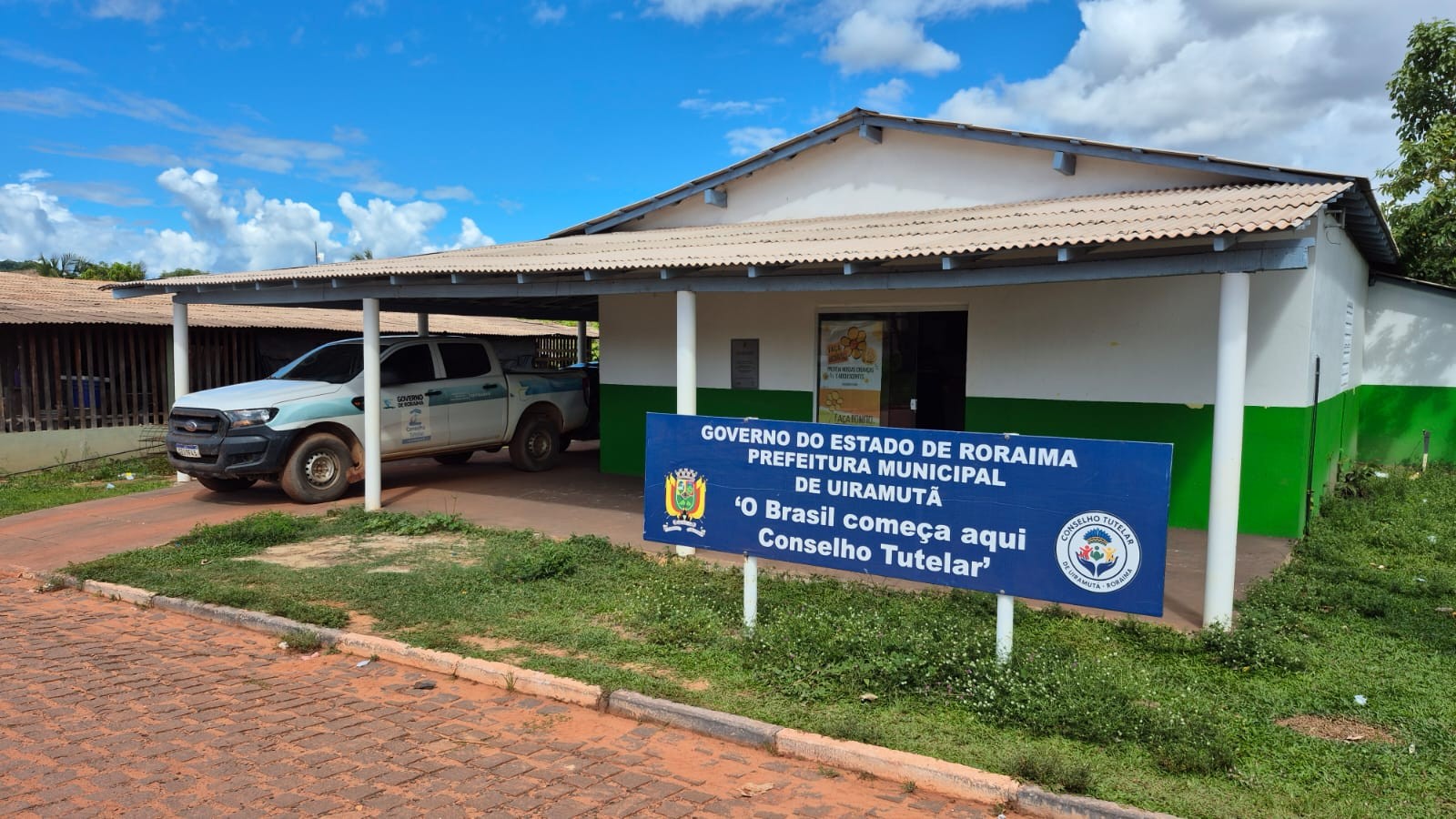
Authorities in Uiramutã, Roraima, are investigating a 52-year-old man for allegedly raping and impregnating his 13-year-old granddaughter. The adolescent is reportedly seven months pregnant. The Civil Police have opened an inquiry into the case, with the investigation commencing on Tuesday, February 14th, following a denunciation made by the victim's family and the local Tutelary Council to the Military Police on Monday, February 12th. The suspect, who has not lived with the girl's maternal grandmother for at least 20 years, is accused of committing these acts when the girl was 12 years old, during a period when her parents were away. The abuse allegedly resumed recently, but the girl refused contact. The girl's mother discovered the violence on Sunday, February 12th, and alerted her husband, who then contacted the Tutelary Council. The suspect fled his home community upon learning of the denunciation and has not been located by police despite searches. The victim's parents have requested a protective order from the court. The Tutelary Council stated they provided immediate care to the victim, taking her to a Basic Health Unit (UBS) for examination and then to a maternity ward in Boa Vista, where medical staff are monitoring her pregnancy. The Council also highlighted that this is not an isolated incident, with similar cases occurring in indigenous communities within the municipality, underscoring the urgent need to report abuse against children and adolescents in the region. The Roraima Health Secretariat has not commented on the victim's health status.
This case highlights significant systemic failures in child protection within remote indigenous communities. The alleged perpetrator's actions, occurring over an extended period and potentially facilitated by parental absence, point to a breakdown in familial and community oversight. The Tutelary Council's statement, noting similar incidents, suggests a recurring pattern of violence that requires more than just reactive law enforcement. Addressing this issue necessitates a multi-faceted approach, including enhanced social support, educational programs on consent and abuse prevention tailored for these communities, and improved access to justice and protective services. The geographical isolation and potential cultural factors may also impede timely intervention and reporting, indicating a need for culturally sensitive outreach and resource allocation by regional authorities to prevent future tragedies and ensure the safety of vulnerable children.
AI-generated to prompt reflection — not editorial opinion, not advice, not a statement of fact. How this works.