Grandmother accidentally takes wrong child from Belgian daycare
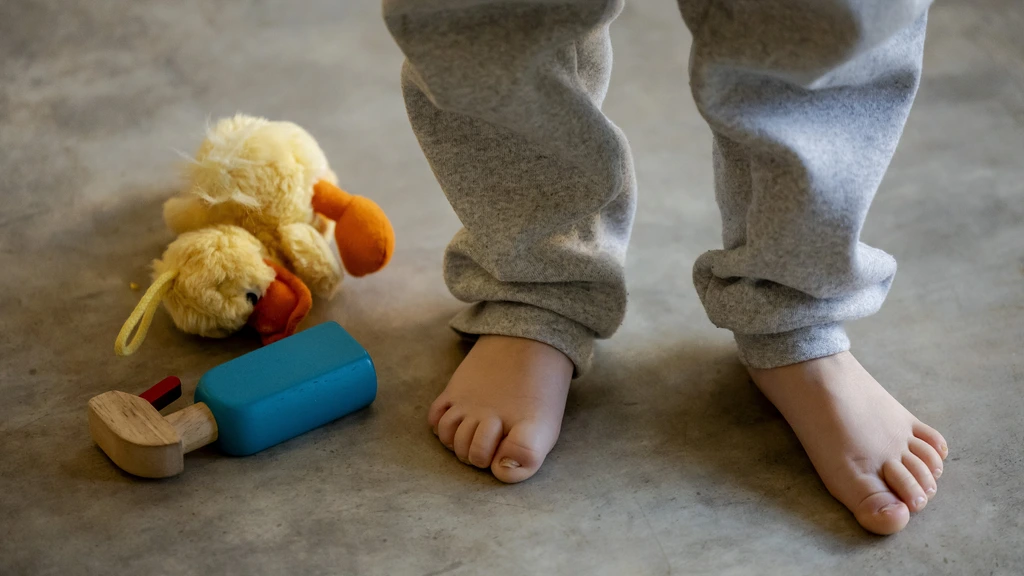
A grandmother in Strombeek-Bever, Belgium, mistakenly took another child from a daycare center instead of her own grandson. The error was discovered, prompting an alert through a neighborhood information network, a collaboration between local residents and the police. The alert described a woman with a buggy containing a 2-year-old child, believed to be walking towards the town center. Fortunately, the child was soon returned to the daycare by the grandfather. A spokesperson for the daycare confirmed that while the situation resolved happily, such an incident should not occur. The daycare is in discussions with the parents of the child who was mistakenly taken and plans to meet with staff to review procedures for preventing future occurrences. Staff members expressed surprise, stating they assumed a grandparent would recognize their grandchild. To enhance security, the daycare is considering implementing new protocols, such as requesting the full names of grandparents or other individuals authorized to pick up children, and potentially asking for identification. The team leader mentioned that requesting an ID is among the options being considered.
This incident highlights a critical lapse in child safety protocols at a daycare facility, stemming from an overreliance on familial recognition rather than systematic verification. While the immediate resolution was positive, the event underscores the need for robust identification procedures for all individuals collecting children, regardless of their relationship to the child. Future-proofing such systems involves integrating technology or clear, non-negotiable identification checks into the standard operating procedures to mitigate human error and ensure accountability. This approach not only protects children but also builds trust with parents by demonstrating a proactive commitment to security in an era where digital and physical safety are paramount.
AI-generated to prompt reflection — not editorial opinion, not advice, not a statement of fact. How this works.