Granite, Pernambuco Cancels 2026 Agricultural Expo Due to Severe Drought
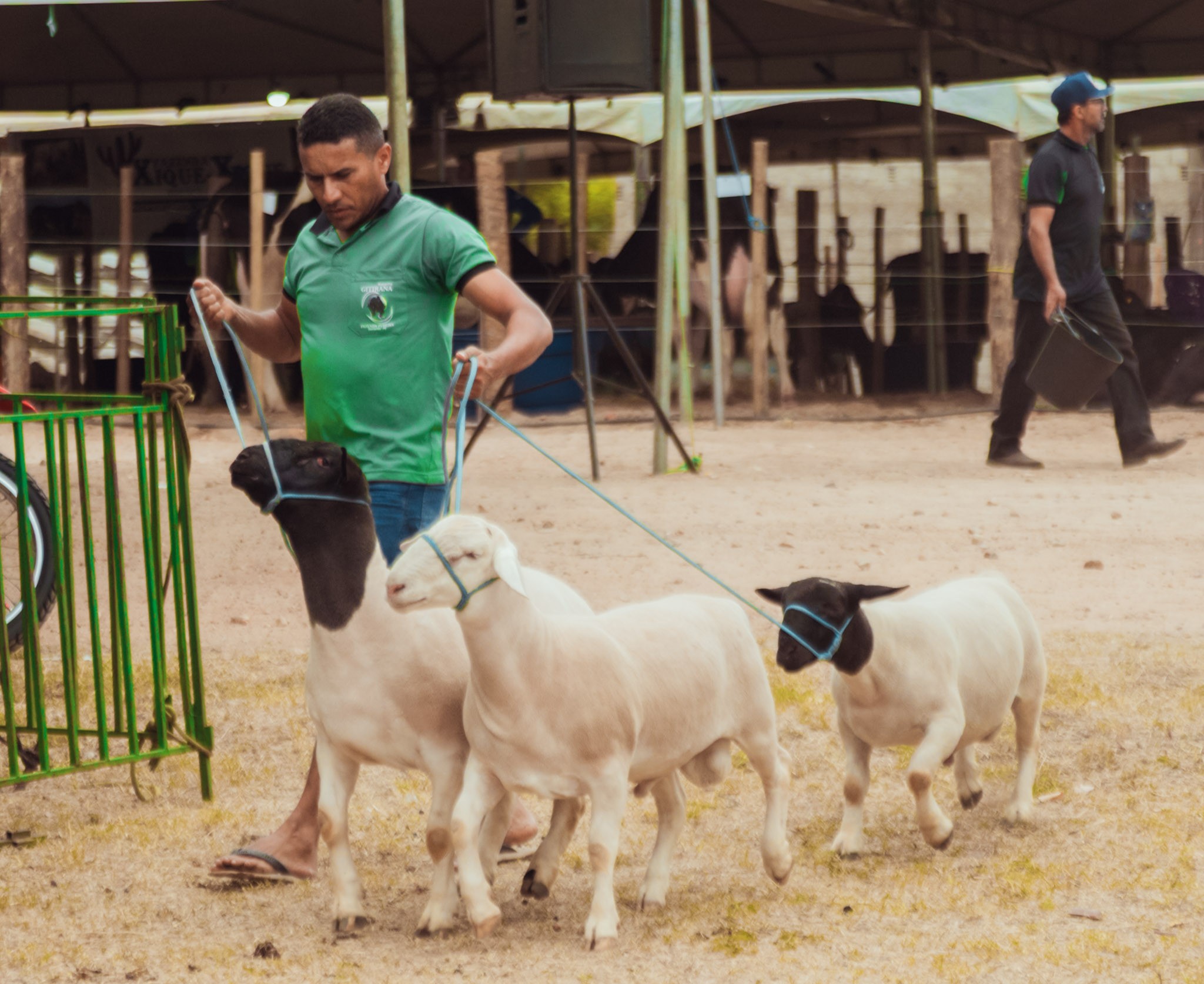
The municipality of Granite, located in the Sertão region of Pernambuco, Brazil, has officially canceled the ExpoGranito 2026 event. This traditional agricultural fair was scheduled to take place from August 14th to 16th. The municipal government cited the severe drought affecting the region as the primary reason for the cancellation. Granite is currently under a state of emergency, formally recognized by municipal decree number 032/2026. The decision was made to prioritize public resources towards essential services such as water supply for the population, animal welfare, and the maintenance of public services. The municipal administration acknowledged the historical, cultural, and economic significance of the ExpoGranito, as well as the negative impacts its cancellation will have on local businesses, exhibitors, artists, workers, and the community. However, they emphasized that given the current circumstances, the cancellation is a necessary, responsible, and public-interest-driven decision. The ExpoGranito is recognized as one of the largest agribusiness fairs in the Sertão do Araripe, typically featuring exhibitions of cattle and goats, a dairy competition, and a "farinha house" offering local cheeses, sweets, and typical foods. The administration expressed gratitude for public understanding and reaffirmed its commitment to transparency, responsible resource management, and the protection of its citizens.
The cancellation of ExpoGranito 2026 due to drought highlights the increasing vulnerability of traditional agricultural events to climate change impacts. This situation underscores the need for regional planning that integrates climate resilience strategies, potentially involving water management infrastructure and diversified economic activities less dependent on immediate rainfall. Municipalities facing such environmental crises must balance immediate relief efforts with long-term economic sustainability, exploring how public funds can be strategically allocated to mitigate future risks and support affected communities beyond emergency measures. The event's cancellation also points to a broader challenge for rural economies in adapting to a changing climate, necessitating innovative approaches to event management and agricultural practices to ensure their viability in the coming decades.
AI-generated to prompt reflection — not editorial opinion, not advice, not a statement of fact. How this works.