Graphene Exhibits Multiple Superconducting States Simultaneously
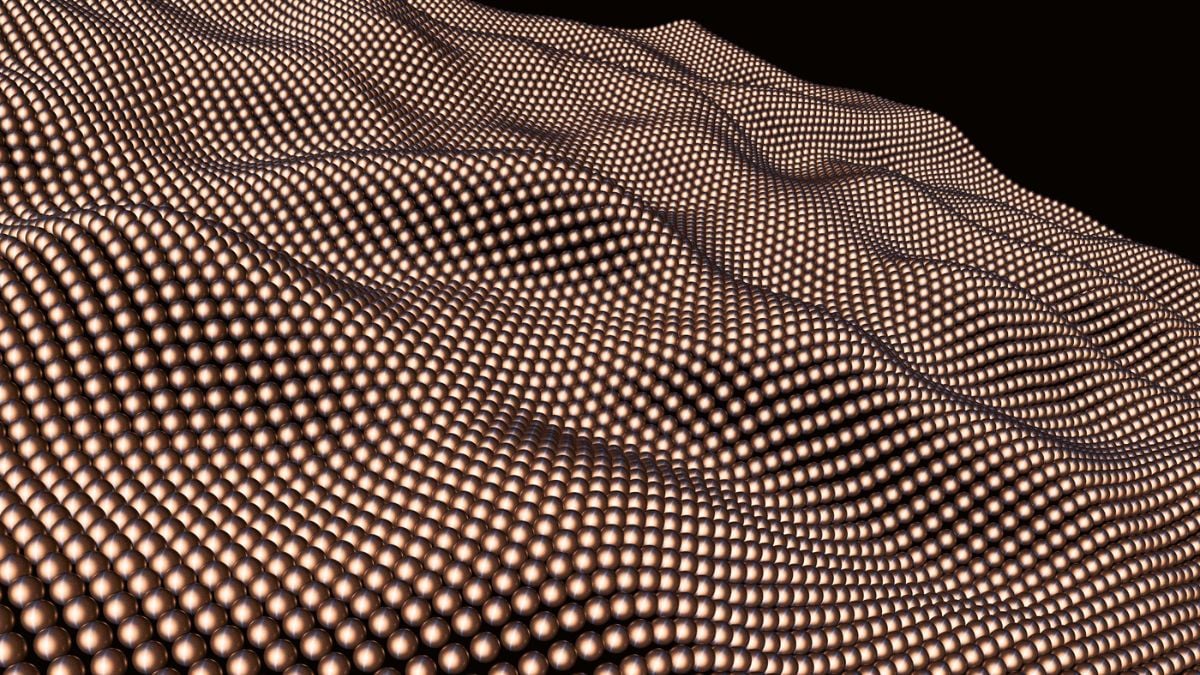
Researchers have observed graphene exhibiting multiple superconducting states at the same time, a phenomenon previously thought impossible. This discovery challenges existing theories of superconductivity. The material demonstrated unexpected resilience, becoming stronger under conditions that would typically degrade or destroy superconducting properties. This finding opens new avenues for understanding and potentially harnessing superconductivity in novel ways. The research was conducted by a team of scientists who were surprised by the material's robust behavior under extreme conditions. Further investigation is planned to fully explore the implications of this groundbreaking observation.
The observation of graphene maintaining multiple superconducting states under stress suggests a potential deviation from established theoretical models of superconductivity. This resilience under adverse conditions could indicate novel quantum mechanical properties within graphene's structure. Future research may focus on understanding the underlying mechanisms that enable this multi-state behavior, potentially leading to the development of more robust superconducting materials. Such advancements could have significant implications for energy transmission, computing, and medical imaging technologies in the coming decade, particularly as the demand for efficient and advanced materials grows.
AI-generated to prompt reflection — not editorial opinion, not advice, not a statement of fact. How this works.