Great Barrier Reef Microbiome Mapped, Revealing Over 500 New Bacterial Species
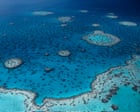
Scientists have successfully mapped the microbiome of the Great Barrier Reef, a significant advancement following the human microbiome's mapping over a decade ago. The research analyzed DNA from seawater samples collected across 48 different reefs. This extensive mapping effort has identified an estimated 362,802 distinct viruses, represented by 808,585 viral genomes. Furthermore, the study has documented more than 500 new species of bacteria that were previously unknown to science. This comprehensive cataloging provides unprecedented insight into the complex microbial ecosystems that inhabit one of the world's most vital natural wonders. The findings contribute to a deeper understanding of reef health and the intricate biological processes at play within this fragile environment.
This extensive mapping of the Great Barrier Reef's microbiome represents a significant leap in understanding complex marine ecosystems. By identifying novel bacterial species and a vast number of viruses, researchers are building a foundational dataset crucial for monitoring reef health and resilience. Future research could leverage this data to investigate the functional roles of these newly discovered microbes in coral symbiosis and nutrient cycling, potentially informing conservation strategies. Understanding these microbial communities is increasingly vital in the context of climate change and other anthropogenic pressures that threaten coral reefs globally, offering a more granular view of the biological systems that support reef survival.
AI-generated to prompt reflection — not editorial opinion, not advice, not a statement of fact. How this works.