Great Fire of Rome Ignites: Emperor Nero's Reign Marked by Devastation
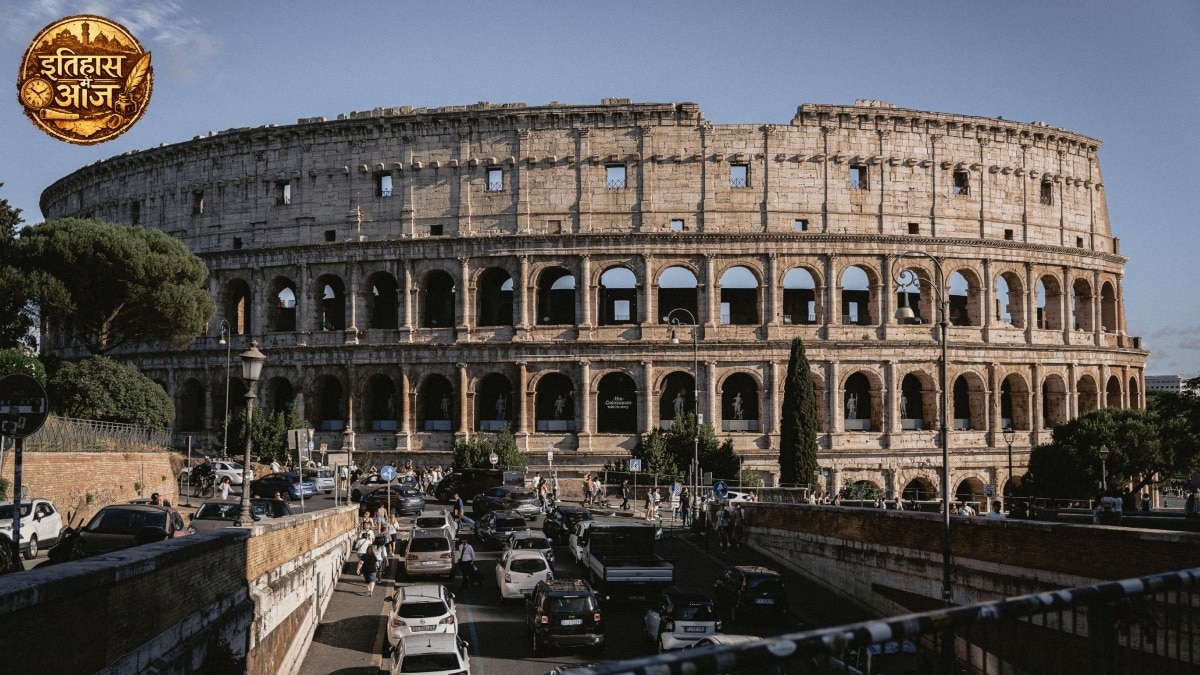
On this day in history, a devastating fire broke out in Rome, engulfing the city for three days. During this period, Rome was under the rule of Emperor Nero. Several popular narratives suggest that Nero was playing his flute while the city burned. However, historians have proposed various theories regarding Nero's actions and the cause of the fire. The extent of his involvement and the accuracy of the flute-playing anecdote remain subjects of historical debate. The fire caused widespread destruction throughout the capital. The event has been immortalized in historical accounts and popular culture. The true circumstances surrounding the Great Fire of Rome continue to be a topic of interest and investigation for scholars. The impact of the fire on the city's infrastructure and population was significant. It led to substantial rebuilding efforts and changes in urban planning.
The Great Fire of Rome, occurring during Emperor Nero's reign, serves as a historical case study in crisis management and public perception. While popular accounts often focus on sensationalized narratives, such as Nero playing the flute, a rational analysis considers the potential for political scapegoating and the challenges of verifying historical events centuries later. The fire's impact highlights the vulnerability of ancient urban centers to catastrophic events and the subsequent need for robust infrastructure and governance. Examining this event through a contemporary lens, we can consider how information dissemination and public trust are managed during large-scale disasters, a theme that remains relevant in the digital age.
AI-generated to prompt reflection — not editorial opinion, not advice, not a statement of fact. How this works.