Great Mosque of Touba: Inaugurated June 7, 1963, it fulfills Cheikh Ahmadou Bamba's vision
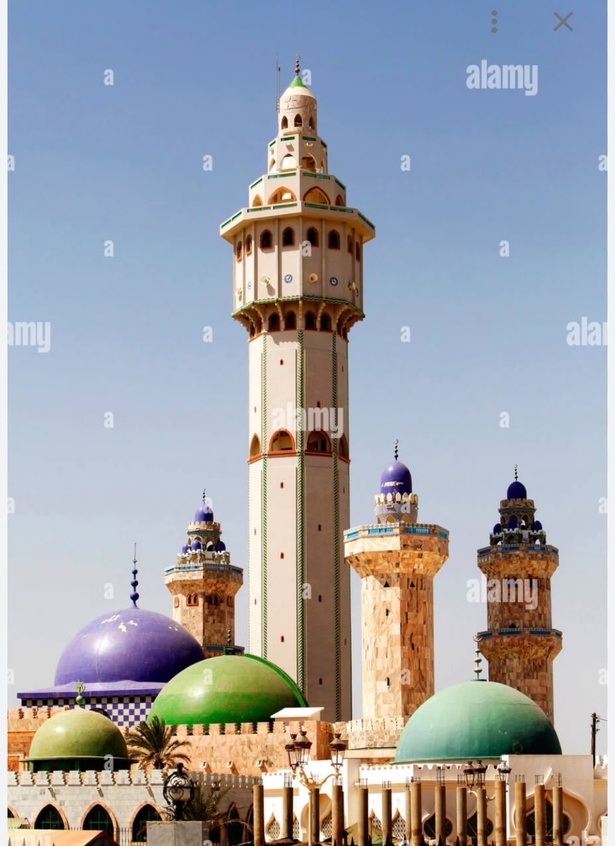
The Great Mosque of Touba, a significant religious landmark in Senegal, was inaugurated on June 7, 1963. Its construction and eventual opening represent the culmination of a long-held vision by Cheikh Ahmadou Bamba, the founder of the Mouride Brotherhood. The mosque's development was characterized by a collective building effort, reflecting the community's deep devotion and commitment. Its architecture is also imbued with symbolic meaning, further enhancing its spiritual importance for followers. The history of the mosque traces back to Bamba's initial concept and spans through the various stages of its realization. This retrospective highlights the journey from a spiritual aspiration to a tangible, monumental structure.
The inauguration of the Great Mosque of Touba in 1963, fulfilling Cheikh Ahmadou Bamba's vision, underscores the enduring power of religious leadership and community mobilization. The collective construction effort highlights a socio-economic model where shared faith translates into tangible infrastructure development. As Senegal navigates its future, the mosque's symbolic architecture and the communal spirit behind its creation offer insights into cultural identity and collective action. Examining such historical projects provides a lens through which to understand the interplay of spirituality, governance, and societal progress over decades, particularly in the context of evolving national aspirations and global influences.
AI-generated to prompt reflection — not editorial opinion, not advice, not a statement of fact. How this works.