Greater Curitiba Bus Routes to Be Eliminated or Reworked Under New Transit Concession
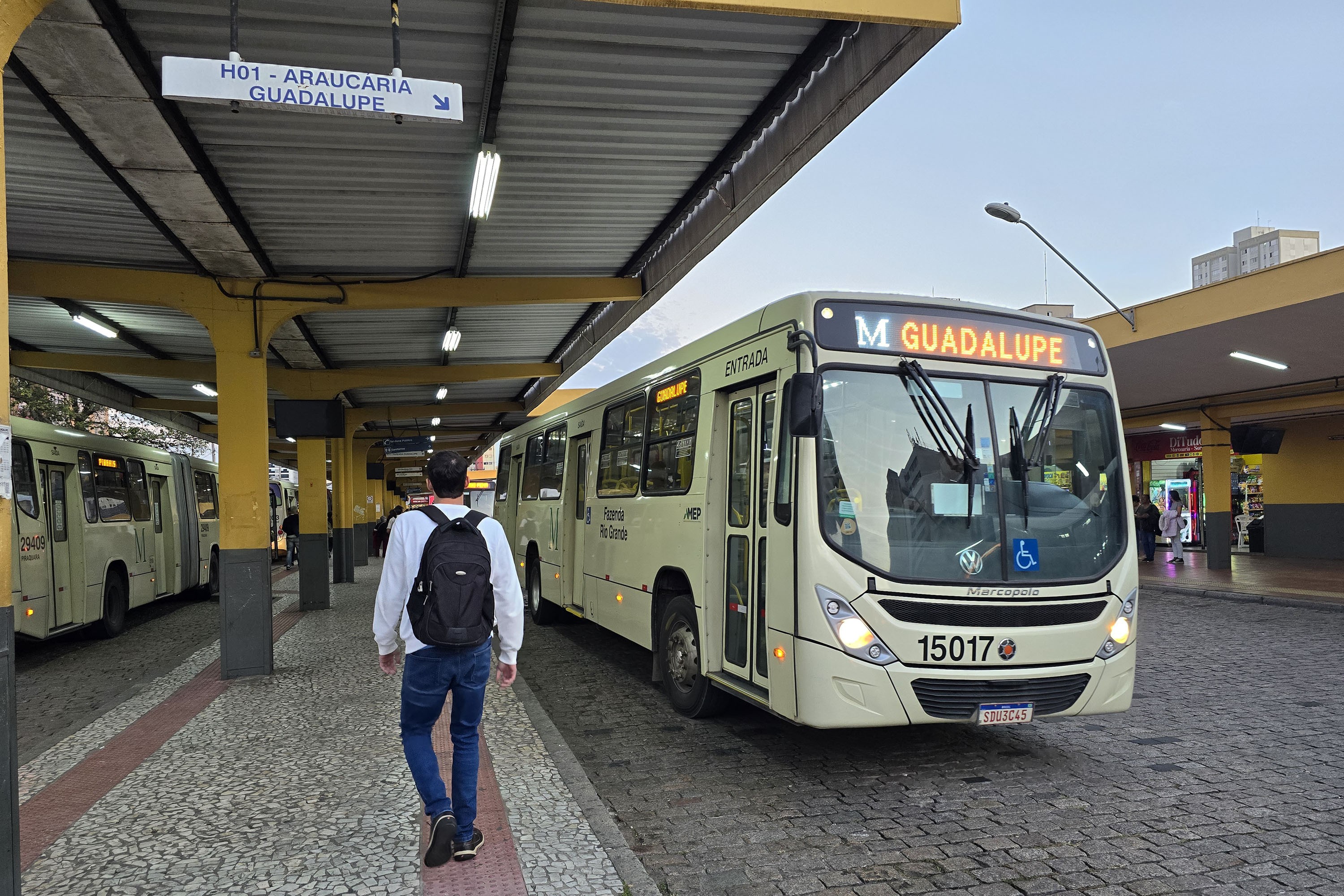
Several bus routes connecting municipalities in the Metropolitan Region of Curitiba (RMC) to the capital city will be discontinued or modified as part of a new 20-year metropolitan transport concession. The Agency of Metropolitan Affairs of Paraná (Amep) announced these changes, which aim to integrate 28 cities, an increase from the current 19, into the metropolitan system. The concession auction is scheduled for August 26th at 2 PM. These alterations are designed to clarify responsibilities between the metropolitan system, managed by Amep, and Curitiba's urban transport, overseen by Urbs. Amep President Gilson Santos explained that currently shared management lines passing through downtown Curitiba will be reorganized, but integration between the systems will be maintained. The agency assures that these changes will not reduce transport availability or access to the city center, with passengers retaining physical and fare integration at existing terminals and tube stations. Specifically, the Colombo/CIC line will be renamed MARACANÃ/TIRADENTES and end at Praça Tiradentes. The Pinhais/Campo Comprido line becomes PINHAIS/TIRADENTES, also ending at Praça Tiradentes. The Caiuá/Cachoeira line is renamed CACHOEIRA/GUADALUPE and will terminate at Terminal Guadalupe. The Barreirinha/São José dos Pinhais line will be replaced by AEROPORTO/GUADALUPE (via Terminal Boqueirão), ending at Terminal Guadalupe, and will extend metropolitan service to Afonso Pena Airport, superseding the deactivated Aeroporto/Terminal Boqueirão (E32) line.
This restructuring of Curitiba's metropolitan bus routes reflects a strategic effort to delineate operational responsibilities between regional and urban transit authorities, aligning with the upcoming 20-year concession. By clarifying service boundaries and potentially consolidating routes, the goal is to enhance efficiency and manageability within a larger, integrated network. The emphasis on maintaining fare and physical integration suggests a focus on passenger experience continuity, mitigating potential disruptions. Future evaluations could assess whether this administrative separation truly optimizes resource allocation and service quality across the expanded metropolitan area, or if it introduces new complexities in inter-agency coordination and long-term service planning, particularly as urban development and mobility needs evolve over the next decade.
AI-generated to prompt reflection — not editorial opinion, not advice, not a statement of fact. How this works.