Greece Blocks EU Sanctions on Russia to Protect LNG Shipping Firm
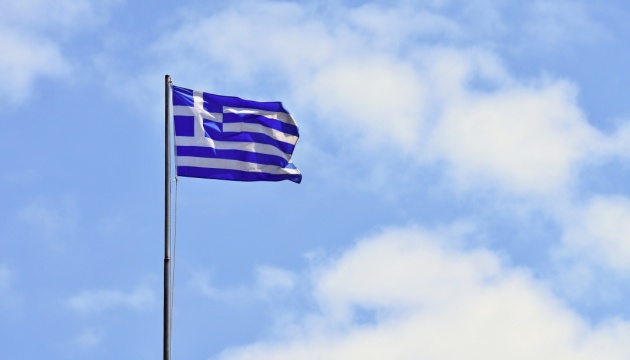
Greece is reportedly opposing a new package of European Union sanctions against Russia. The primary reason for Greece's stance is to safeguard the interests of Dynagas, a significant shipping company. Dynagas is owned by Greek magnate George Prokopiou and specializes in the transportation of Russian liquefied natural gas (LNG). Specifically, the company is involved in carrying LNG from the Yamal LNG plant located in the Arctic region. The Greek government fears that the proposed sanctions would severely damage or "destroy" Dynagas's operations and its business model. This move highlights a potential conflict between EU member states' foreign policy objectives and their national economic interests, particularly in sectors with substantial ties to Russia.
Greece's objection to the EU sanctions package underscores the complex interplay between geopolitical solidarity and national economic imperatives. The nation's maritime industry, a significant contributor to its economy, appears to be a key consideration in its foreign policy decisions. This situation raises questions about the EU's ability to maintain a unified front on sanctions when individual member states face substantial economic repercussions. The reliance on specific companies, like Dynagas, for vital energy transport infrastructure can create leverage points that challenge broader policy objectives. Future EU sanction frameworks may need to incorporate more nuanced mechanisms to address such economic dependencies and ensure cohesive action without disproportionately impacting member economies.
AI-generated to prompt reflection — not editorial opinion, not advice, not a statement of fact. How this works.