Greece Blocks EU Sanctions on Russian Shipping Industry
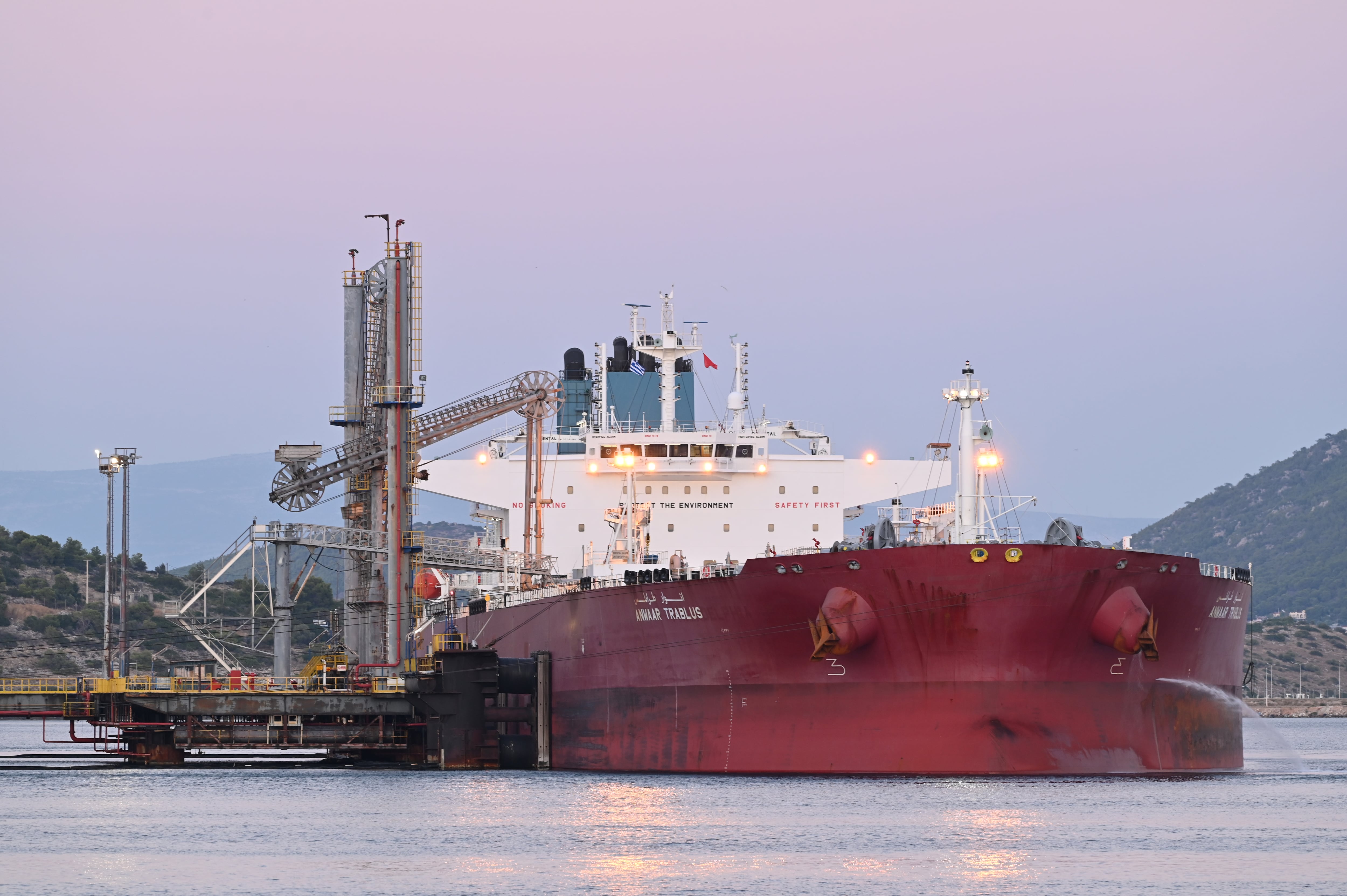
Greece has blocked a new round of European Union sanctions targeting Russia's shipping industry. The decision was made because Athens wants its vessels to continue transporting Russian gas to countries outside the EU. This move highlights a significant point of contention within the EU regarding the economic impact of sanctions on member states.
Greece's veto of EU sanctions on Russia's shipping sector underscores the complex economic interdependencies that can complicate unified foreign policy. The nation's reliance on maritime trade, particularly involving Russian energy exports to non-EU nations, presents a direct economic conflict with broader geopolitical objectives. This situation illustrates the inherent challenge in designing sanctions that do not disproportionately burden specific member states, potentially creating internal EU friction and requiring careful calibration of economic incentives versus security goals. Future policy may need to explore more nuanced approaches that mitigate economic fallout for individual members while still achieving strategic aims.
AI-generated to prompt reflection — not editorial opinion, not advice, not a statement of fact. How this works.